
Discover West Clare
30 carefully curated photography spots with GPS coordinates, shooting tips, and local insights
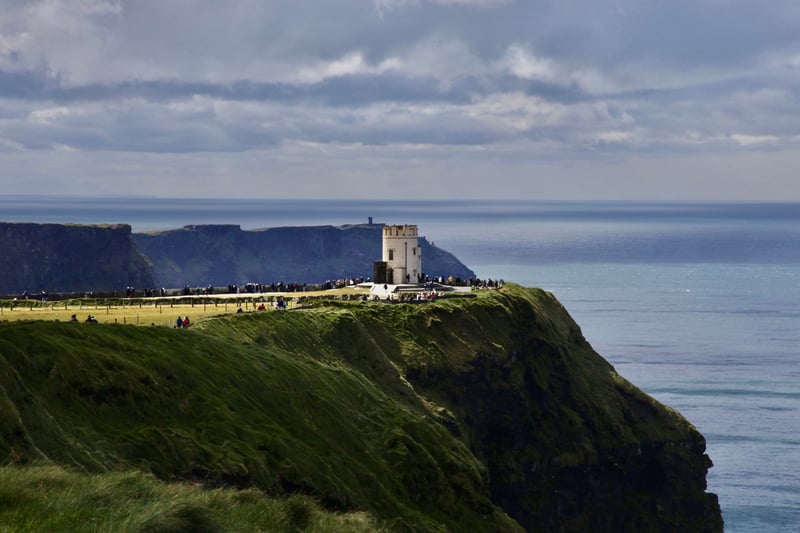
O'Brien's Tower, Cliffs of Moher
A historic stone tower marking the highest point of the world-famous Cliffs of Moher. It provides a perfect scale reference against the dramatic 214-meter drops into the Atlantic Ocean.
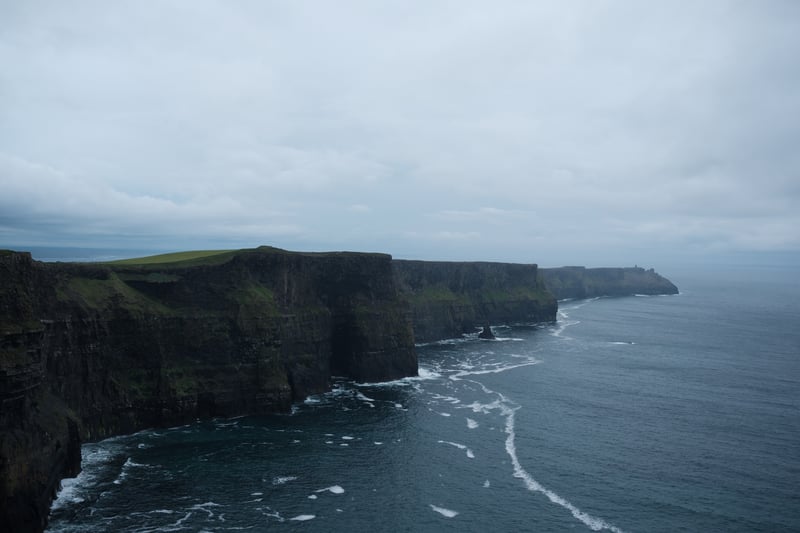
Cliffs of Moher
One of Ireland's most iconic natural landmarks, these dramatic sea cliffs offer breathtaking vertical drops into the Atlantic. The site provides endless opportunities for capturing the raw power of the ocean against rugged limestone.
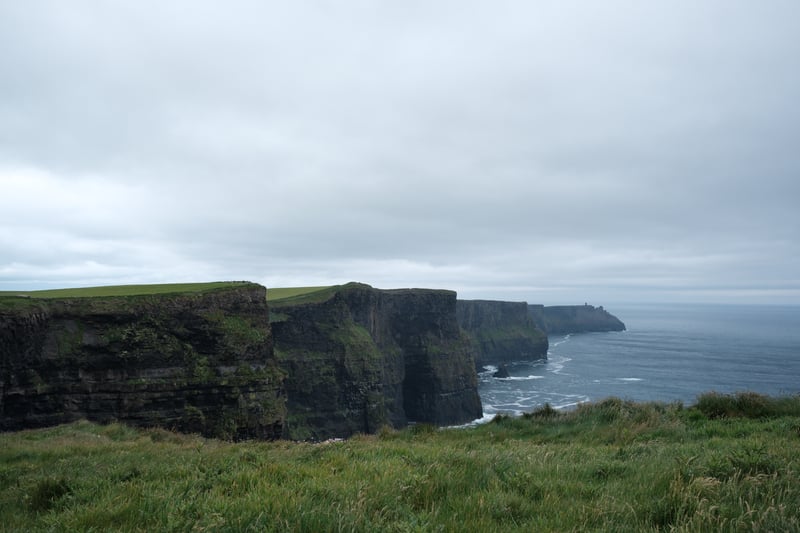
Cliffs of Moher
These iconic sea cliffs offer dramatic vertical drops and sweeping views of the Atlantic. The layered rock formations and lush green clifftops provide excellent compositional elements for landscape photography.
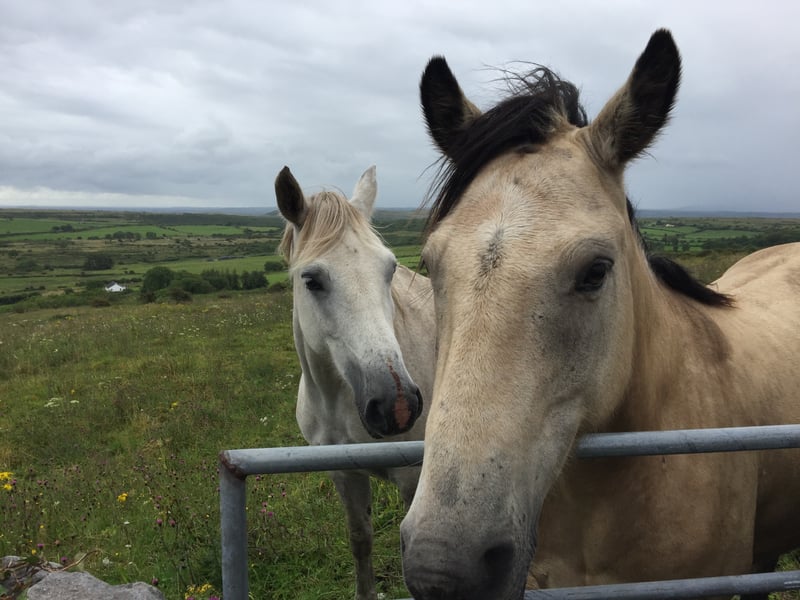
Glenroe Countryside Pastures
A quintessential Irish rural setting featuring rolling green hills and grazing Connemara ponies. The elevated position provides a wide vista of the Clare countryside, perfect for combining animal portraiture with scenic landscapes.
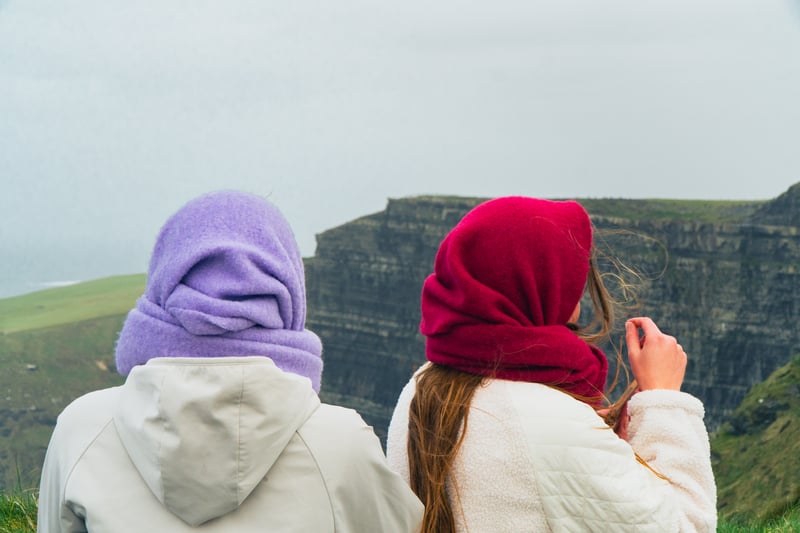
Cliffs of Moher
These iconic Irish sea cliffs offer dramatic vertical drops and sweeping Atlantic views. Photographers can capture the rugged textures of the shale and sandstone layers against the crashing waves below.
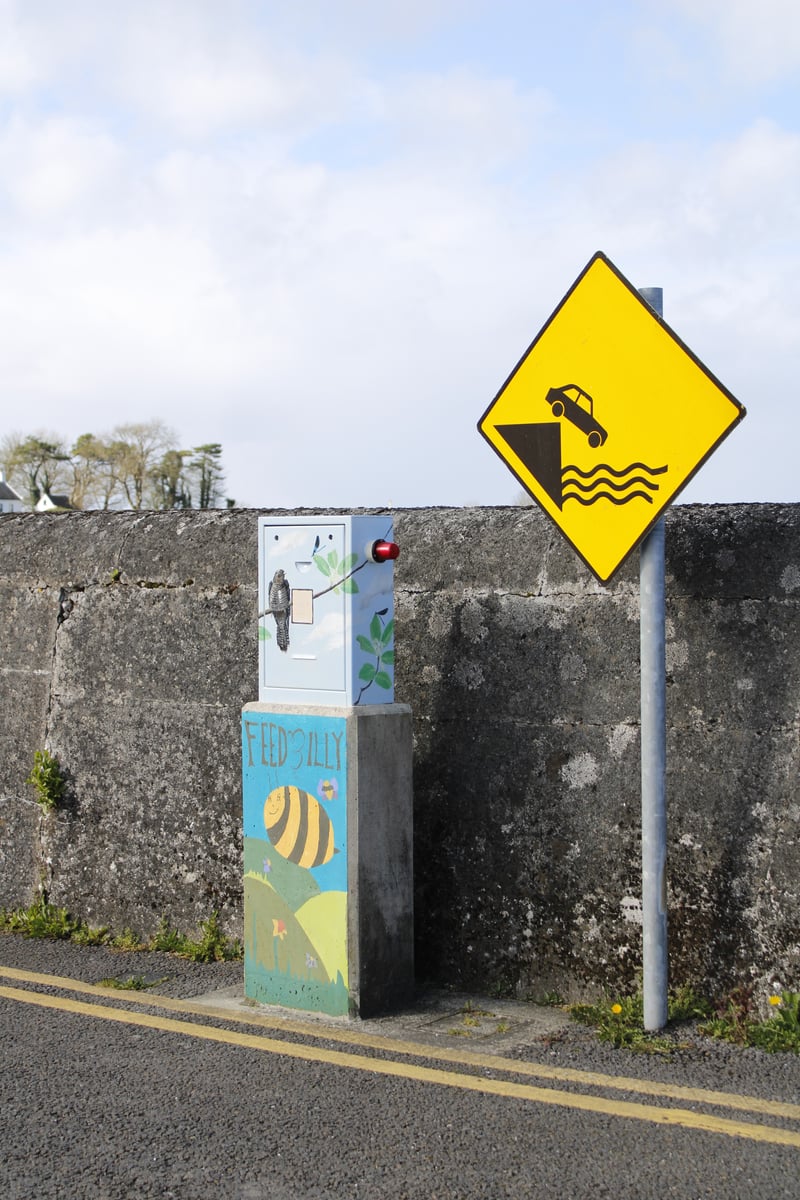
Doolin Pier Roadside Art
Located in the charming village of Doolin, this spot features a humorous road sign and vibrant local street art on utility boxes. It provides a quirky, human element to the rugged coastal scenery of County Clare, perfect for capturing the local character of the Wild Atlantic Way.
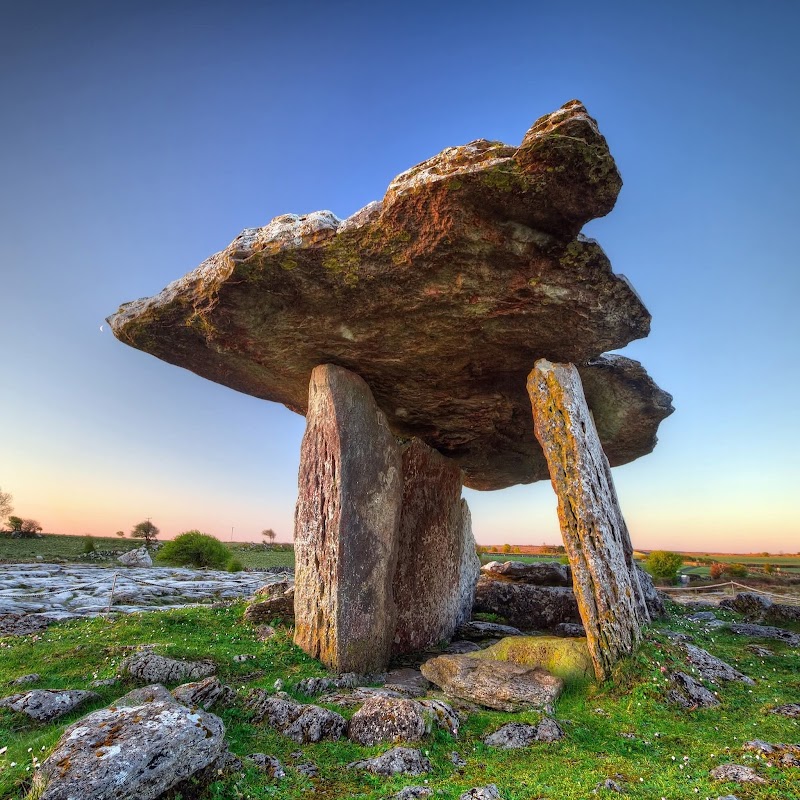
Poulnabrone Dolmen
Iconic Neolithic portal tomb set on the stark Burren limestone plateau — dramatic silhouettes against wide skies, textured foreground grikes, and minimal vegetation create powerful compositional contrasts. Best photographed at sunrise or sunset for warm side-light and long shadows; clear nights reveal strong Milky Way opportunities. Small pay-and-display car park with a 5–10 minute uneven stone walk; no entry fee but treat the monument respectfully (no climbing). Weekday early mornings or late‑d
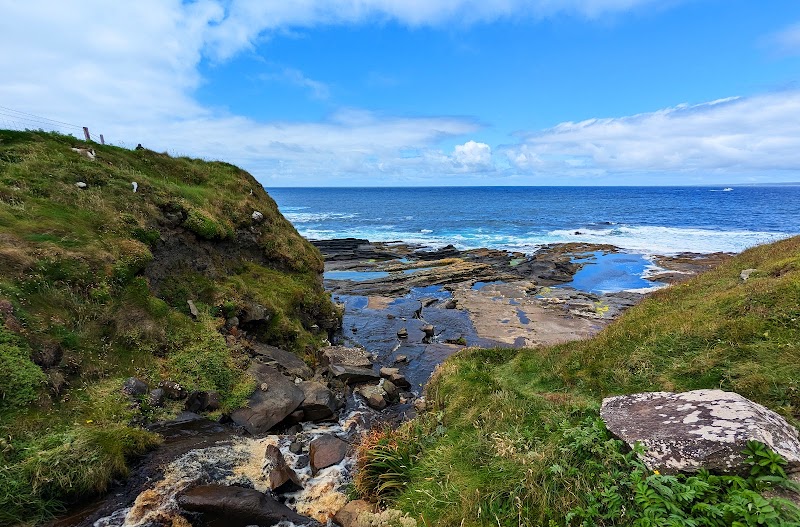
Falaises Moher
Dramatic sea cliffs rising 120–214m above the Atlantic offer sweeping panoramas, layered rock faces, sea stacks (Branaunmore) and O'Brien's Tower viewpoints — ideal for moody wide landscapes, long exposures of surf and intimate cliff-edge details. Best light is at sunrise and sunset for side-light and colors; fog and stormy skies add atmosphere. Visitor Centre (paid entry) has parking and toilets; follow marked paths and safety barriers — high winds and slippery ground make tripods and caution a
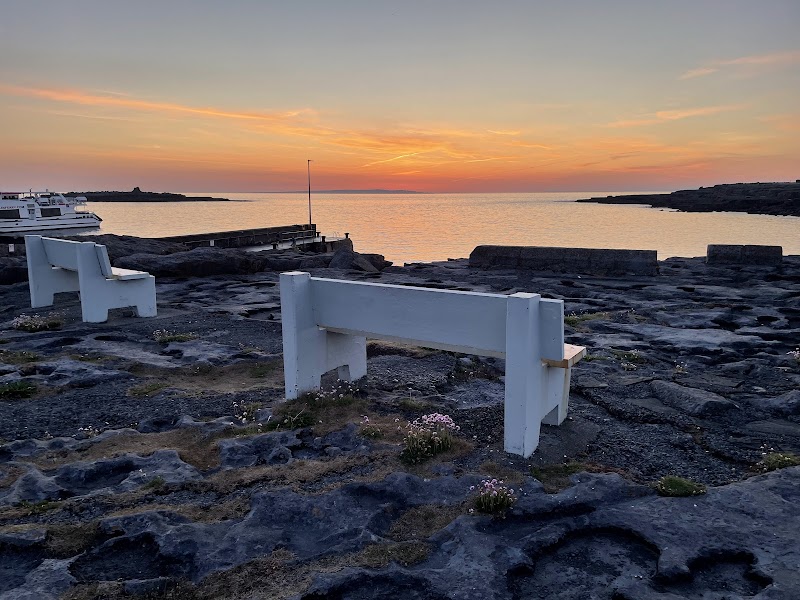
Wild Atlantic Way Discovery Point @Doolin Pier
Doolin Pier offers close-range seascapes of the Atlantic, dramatic views toward the Cliffs of Moher and Aran Islands, and dynamic boat/sea-spray action — ideal for moody weather, long exposures and coastal panoramas. Best at golden hour or after storms for contrasty skies; sunrise and sunset light the cliffs from different angles. Small parking nearby; tickets sold for cliff/island cruises (check schedules). Exposed to wind and spray — waterproof protection recommended. Weekdays and early-mornng
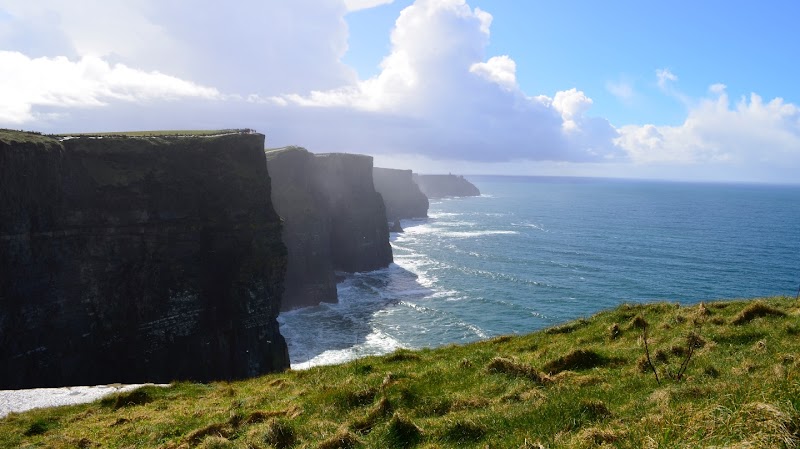
Cliffs of Moher Walking Trail
Sheer sea cliffs, sea stacks (including Branaunmore), sweeping Atlantic vistas and winding walking paths offer dramatic coastal landscape shots. Best light is at sunrise and golden hour; sunsets can silhouette the cliffs. Accessible via marked trail from Doolin with paid visitor centre parking nearby; sections are exposed and windy—dress warm. Weekday mornings and off-season reduce crowds. No special permits for casual photography; respect fenced edges and wildlife.
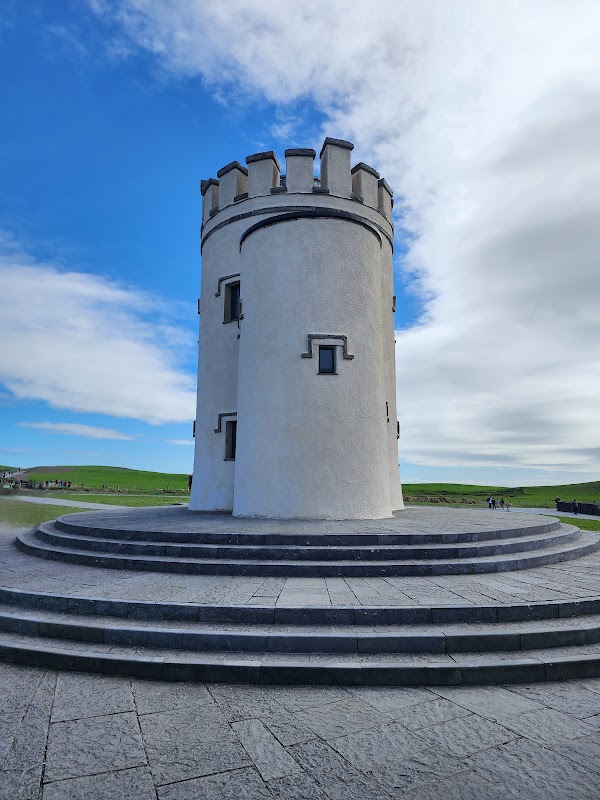
Cliffs of Moher
Dramatic sea cliffs rising 120–214 m above the Atlantic offer sweeping panoramas, layered rock strata, O'Brien's Tower and crashing waves — ideal for grand landscape and waterscape shots. Best at sunrise or golden-hour sunset for warm side lighting; weekday mornings or late autumn/winter reduce crowds. Visitor Centre (paid entry) has parking, toilets and an exhibition; follow marked paths for safety — some viewpoints are wheelchair-accessible but much terrain is exposed and windy. Spring bringsq
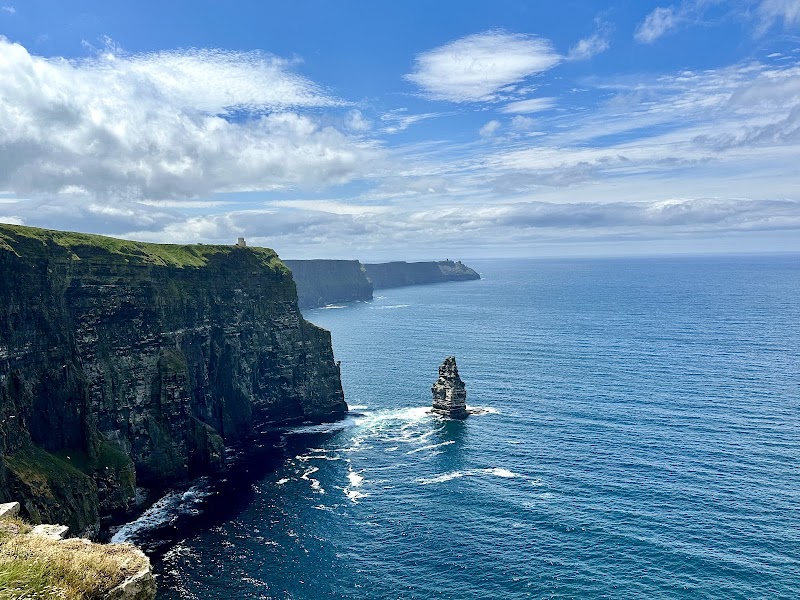
Doolin Cliff Walks
Doolin Cliff Walks trace dramatic limestone headlands with sweeping views of the Atlantic, the Cliffs of Moher and the Aran Islands—ideal for wide coastal panoramas, sea-stack details and moody weather drama. No entry fee; trails start near Doolin village (parking available but limited). Paths are uneven and exposed to strong winds—bring layers and waterproofs. Best light at sunrise or late afternoon; weekdays and off-season reduce crowds. Doolin’s music pubs add cultural charm after shoots.
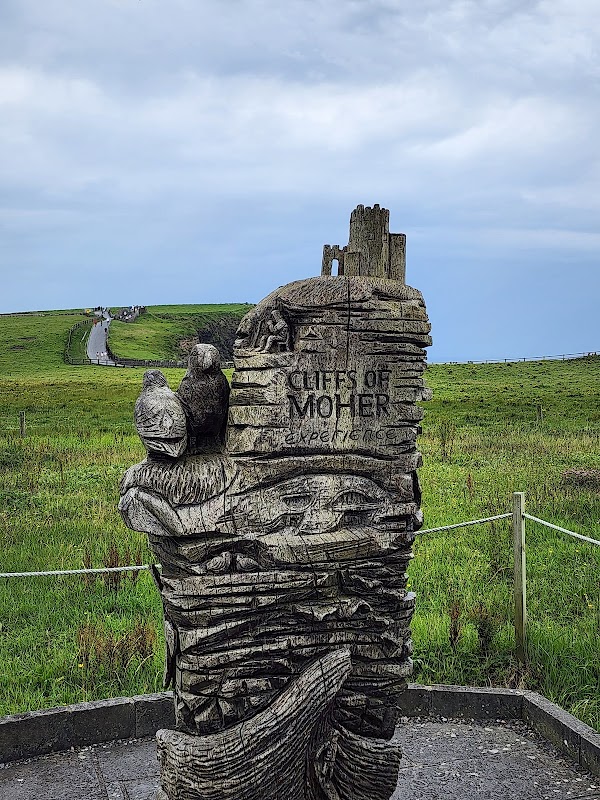
Burren and Cliffs of Moher UNESCO Global Geopark
Dramatic limestone karst of the Burren meets the sheer Atlantic drop of the Cliffs of Moher — iconic panoramas, seabird colonies (puffins in summer) and stark, textured foregrounds. Best at sunrise or sunset for warm side-light and long shadows; stormy skies add mood. Cliffs of Moher Centre charges entry/parking; arrive early on weekdays to avoid crowds. Trails and viewpoints are mostly accessible but stay behind barriers; weather changes fast—dress for wind and spray. Check local regulations on
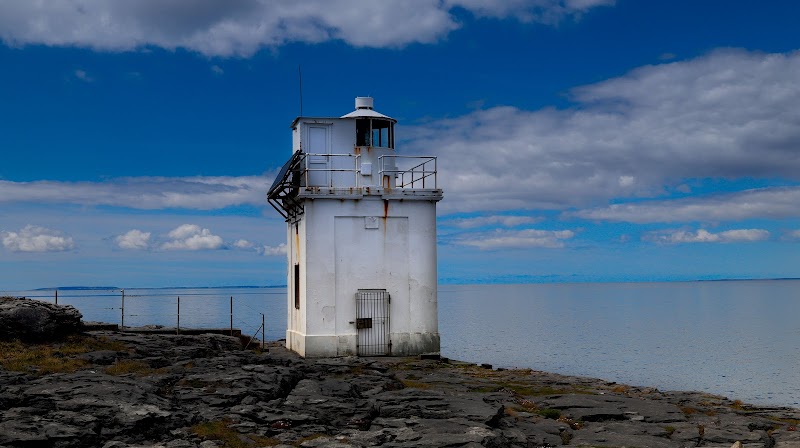
Black Head Lighthouse
Black Head Lighthouse perches on dramatic Atlantic cliffs in rural Co. Clare — ideal for wide coastal vistas, sea-stack foregrounds, and moody long-exposures. Visit at golden hour for warm side lighting and sunset silhouettes; stormy skies add drama. Access via narrow country roads and short cliff paths; parking is limited and unpaved. No public access inside the light; dress for wind and wet spray. Weekdays and early mornings minimize visitors and fishing activity.
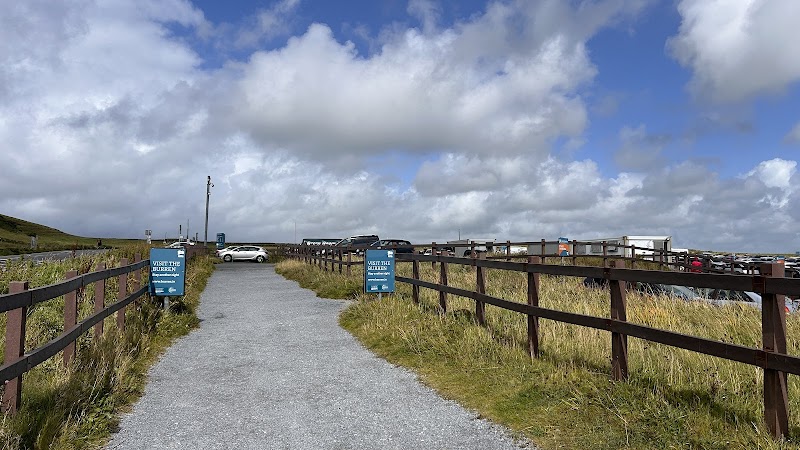
Wild Atlantic Way Signature Discovery Point @Cliffs Of Moher
Dramatic limestone cliffs plunging into the Atlantic—ideal for wide landscapes, moody seascapes and long-exposure wave motion. Shoot golden hour for warm side-lighting on cliff faces, or stormy weather for contrasty drama. Accessible from the Cliffs of Moher Visitor Centre (paid entry, car park, toilets, café); boardwalks and viewing platforms offer safe vantage points. Weekday early mornings or late evenings reduce crowds; strong winds and coastal spray common—dress and protect gear. Check on-b
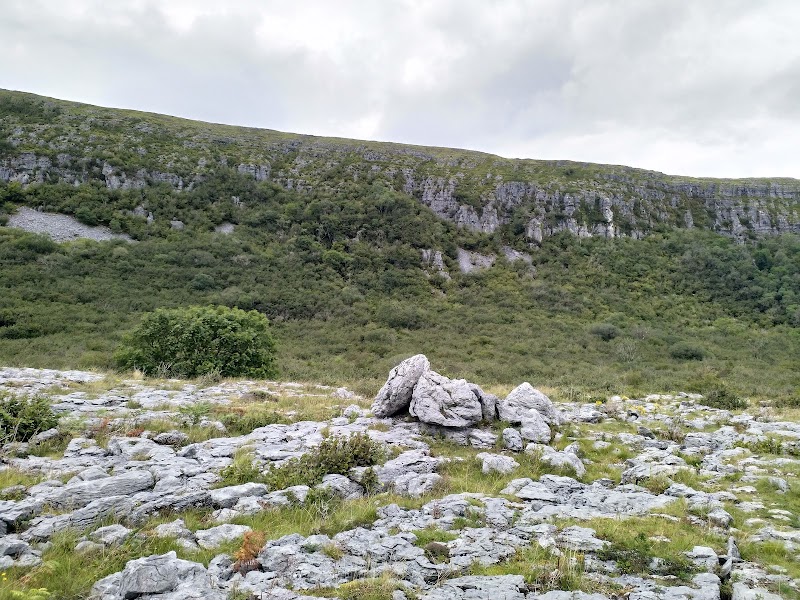
Slieve Carran - Eagles Rock
Rugged limestone escarpments and a dramatic sea-facing outcrop at Slieve Carran (Eagles Rock) offer expansive coastal panoramas, textured karst foregrounds and seabird activity. Best at golden hour for warm side-light on rock faces or at blue hour for moody long exposures. Access is along narrow rural roads with roadside parking; expect a short walk over uneven ground—sturdy shoes recommended. No entry fees; be mindful of grazing livestock and local land access etiquette. Weather changes fast—sc
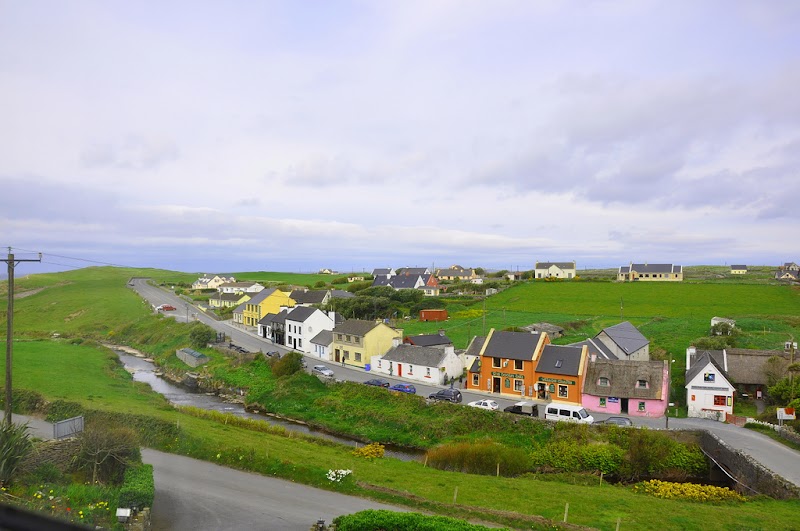
Doolin
Doolin is a compact coastal village serving as a gateway to the Aran Islands and close to the Cliffs of Moher. Photograph rugged Atlantic coastlines, sea stacks, colorful cottages, lively traditional-music pubs and ferry activity. Best at sunrise/sunset for golden light and stormy winter days for dramatic waves. Small car parks near Doolin Pier; ferries run seasonally—check schedules. Village is walkable; respect local music sessions and private property.
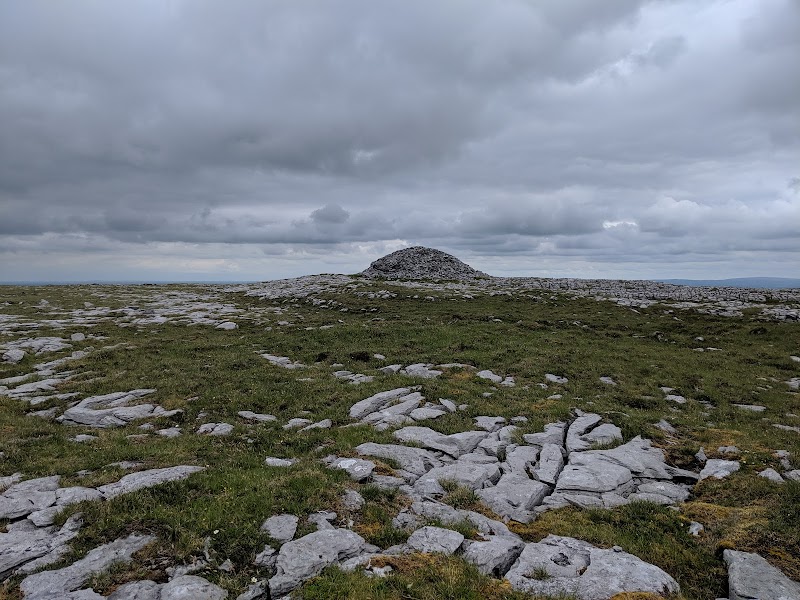
Turlough Hill
Turlough Hill in Ireland’s Burren reveals a seasonal limestone “lakescape”: when water rises, it mirrors sky across bare karst, and when it falls, cracked pavement and disappearing streams create dramatic textures. Best light is sunrise for mist/reflections and late afternoon for warm color. Weekdays reduce crowds; trails and boardwalks are generally accessible but can be slippery after rain.
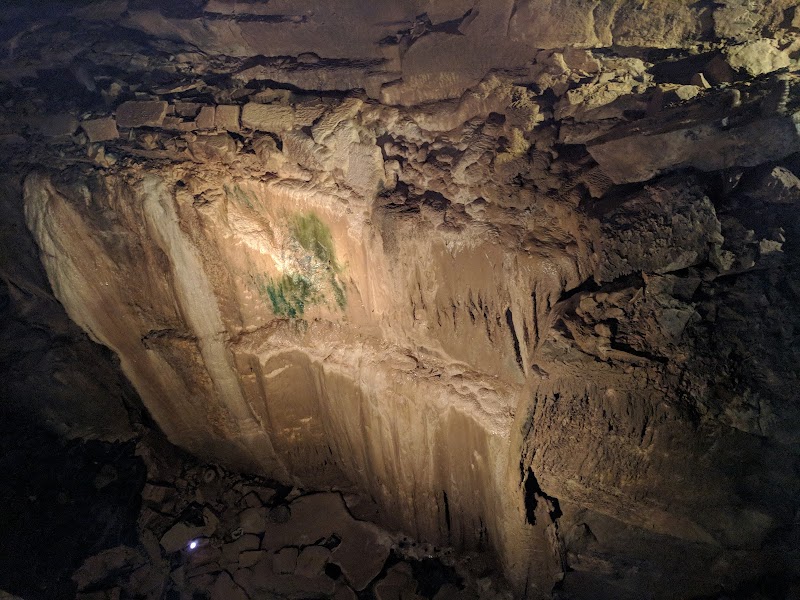
Aillwee Burren Experience
Dramatic limestone karst, showcave interiors, rugged clifftop views and seasonal Burren flora make Aillwee a compact shoot: photograph textured cave formations, panoramic Burren landscapes from the clifftop trail, and the birds of prey demos. Visit spring–early summer for wildflowers, sunrise/late afternoon for soft side-light on limestone; cave tours require low-light work. Site has paid entry, guided cave tours on a schedule, car parking on site; expect steps and some slippery paths, limited B
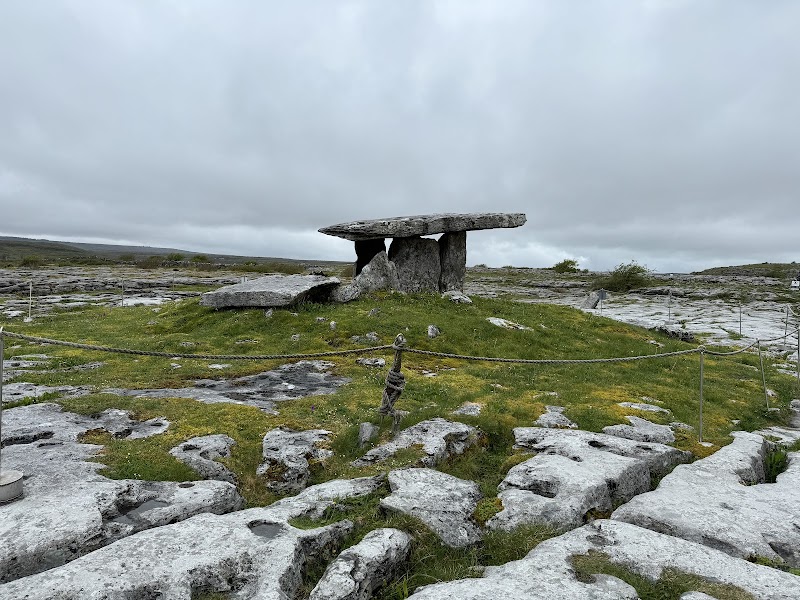
Heart of Burren Walks
Classic Burren karst landscape: limestone pavements, low scrub, seasonal wildflowers, dry-stone walls and ancient tombs along rolling hills. Shoot sweeping panoramas, intimate textures in grikes, and distant Atlantic light. Best at sunrise/sunset for warm side-light; spring (late Apr–Jun) for orchids. Rural site with small Ballyconry car park; uneven rocky paths—sturdy boots recommended. No entry fee; respect grazing land and sheep. Weather changes fast—layers and waterproofs advised.
Bothar nA hAillite
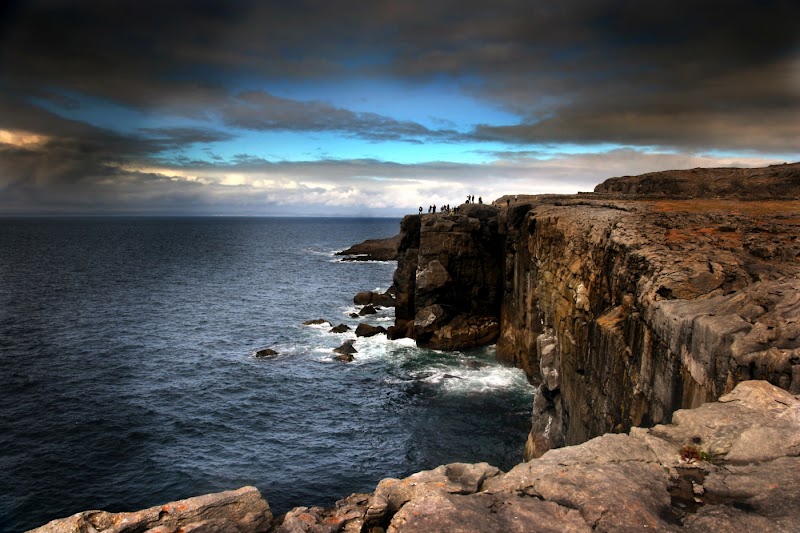
Bothar nA hAillite is a cliffy, windswept stretch of road in Co. Clare with dramatic Atlantic views—ideal for layered sea-and-rock landscapes, moody weather scenes, and roadside composition. Best light: sunrise for soft color and stormy depth; sunset for brighter cloud edges. Accessible by car via R479; pull-offs offer viewpoints but parking is limited and weather can be harsh—watch for slippery verges.
St. Kevin's Stump - Father Ted Filming Location
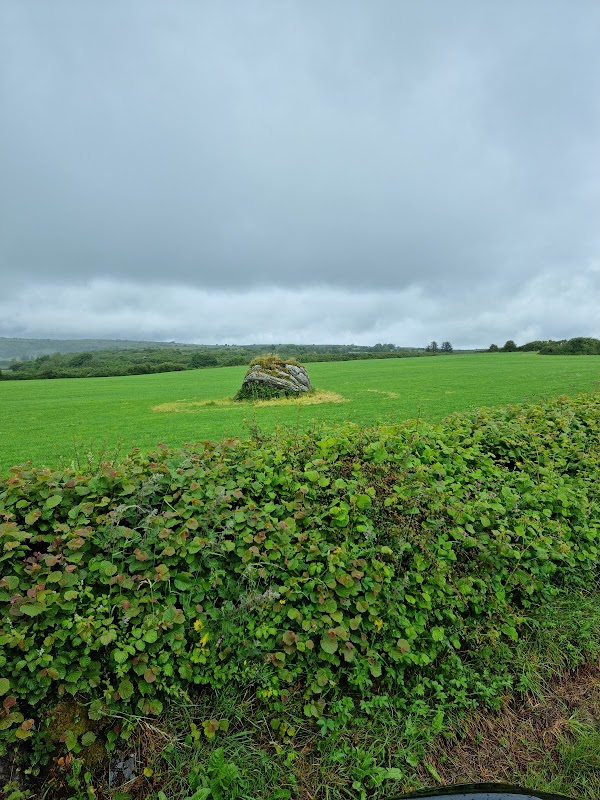
Small sea stack and coastal outlook made famous as a Father Ted filming spot. Photographers will find rugged limestone, windswept grasses and wide Atlantic vistas—great for moody skies, long exposures of surf, and contextual environmental portraits. Best at golden hour or dramatic overcast light; late spring–autumn offers milder weather. Site is roadside and informal parking limited—approach with sturdy shoes and caution near cliff edges. No entry fee; respect private land and local signage.
Abbey
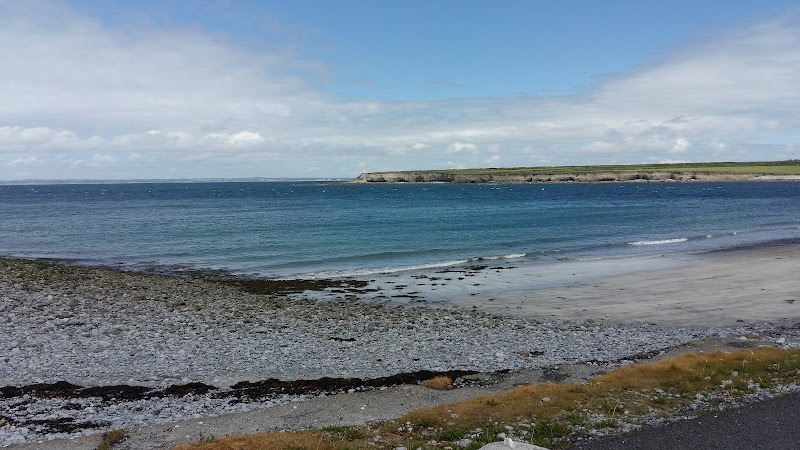
In County Clare, “Abbey” is a quiet heritage spot suited to moody stonework and atmospheric landscape frames—use ruined walls, doorways, and overgrown courtyards as leading lines against Irish skies. Best light is late afternoon/blue-hour for dramatic shadows and texture; weekdays reduce local foot traffic. Mostly free-to-approach, but check local access signs; park on nearby roads and walk in carefully on uneven ground.
Mullaghmore
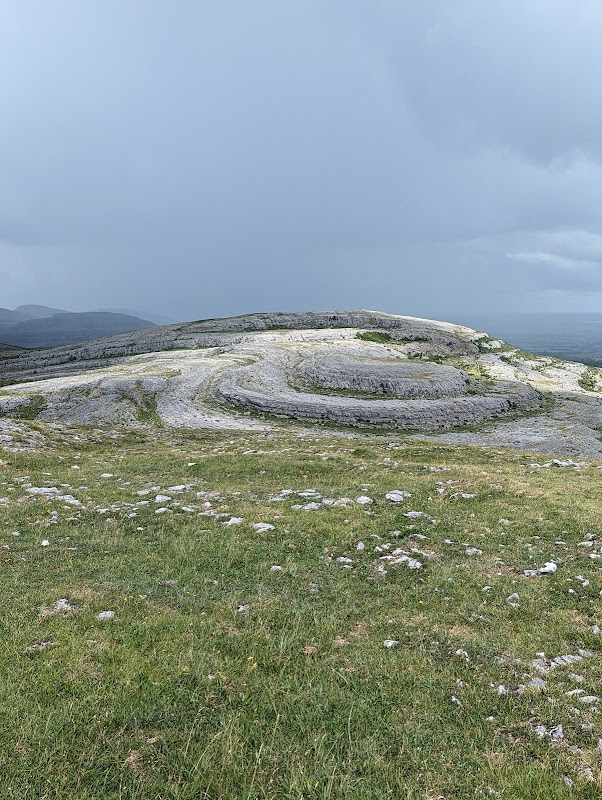
Mullaghmore is a low limestone ridge overlooking patchwork fields and distant Atlantic light — ideal for wide panoramas, moody skies and foreground textures of stone walls and grazing sheep. Best at golden hour and after storms when clouds add drama. Accessible by narrow rural roads; parking is informal at lay-bys. No entry fees; respect farmland and gates. Weather is changeable — waterproofs and sturdy boots recommended.
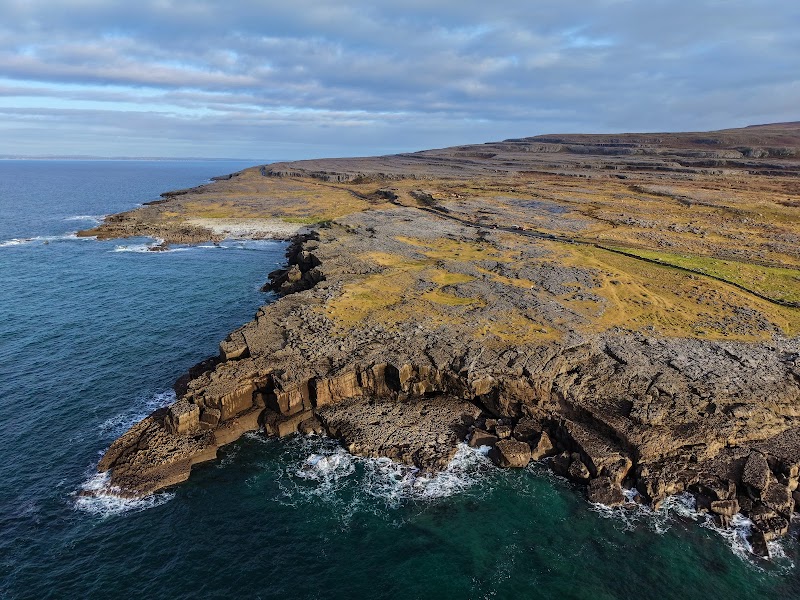
Mini-cliffs
Mini-cliffs on the R477 deliver dramatic Atlantic-style coastal views: textured rock edges, tidal pools, and wind-carved cliffs framed by open sea. Expect fast-changing weather and moody light. Best photos come in early morning or late afternoon for raking light; weekdays reduce traffic. Access is roadside—park safely and walk carefully on uneven ground.
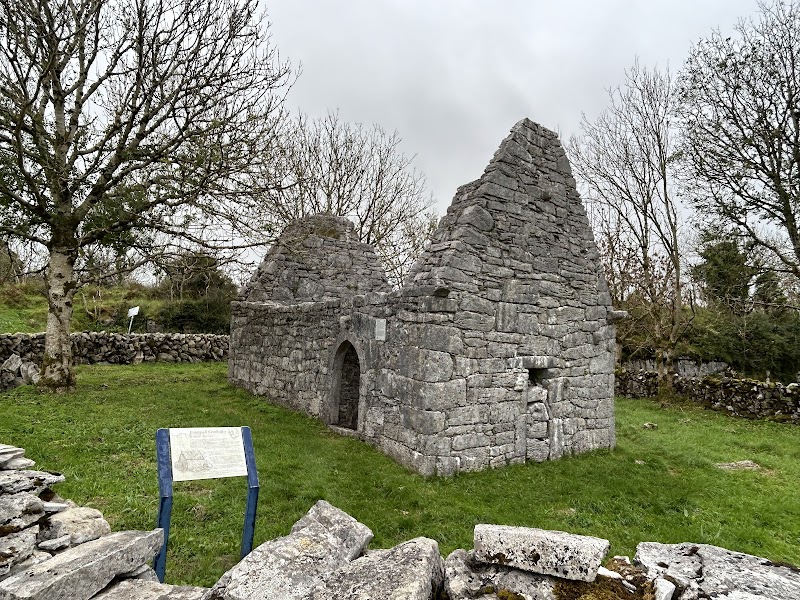
Temple Cronan
Temple Cronan (Termon, Co. Clare) is a quiet early-Christian ruin set among limestone pavement and pasture—ideal for moody textures, grazing-light landscapes, and atmospheric heritage shots. Best in spring/fall for soft skies; early mornings reduce walkers. Rural access: drive to Termon/Carron, park along local lanes and walk carefully—no formal ticketing reported; check seasonal access and tides/weather.
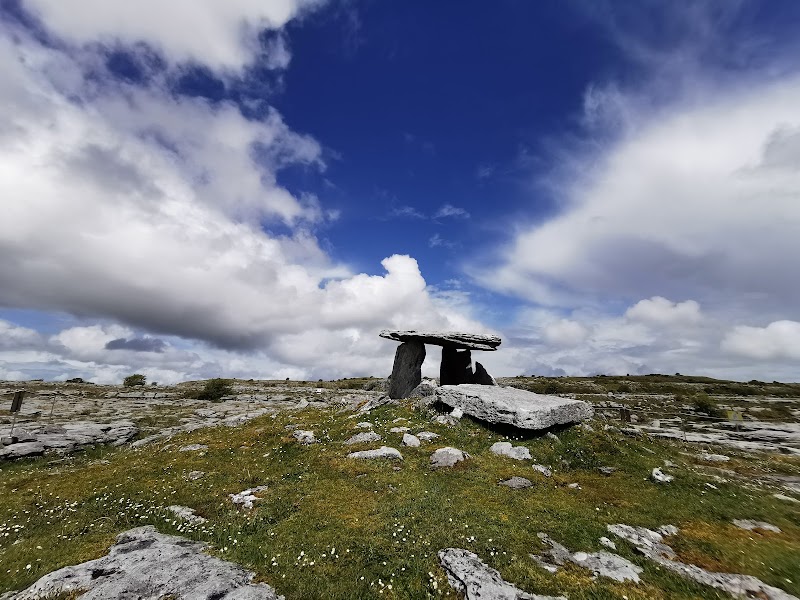
Burren National Park
Expansive karst limestone pavements, scattered wildflowers, and ancient monuments (notably Poulnabrone Dolmen nearby) offer dramatic textures and minimalist landscapes. Best visited spring for carpets of rare flora and at golden hour or after rain when low light and puddles accentuate grooves. Trails are well marked from the visitor centre near Corofin; parking is available and entry to the park is free. Weather changes quickly—bring layers and waterproofs. Weekdays avoid locals and walkers.
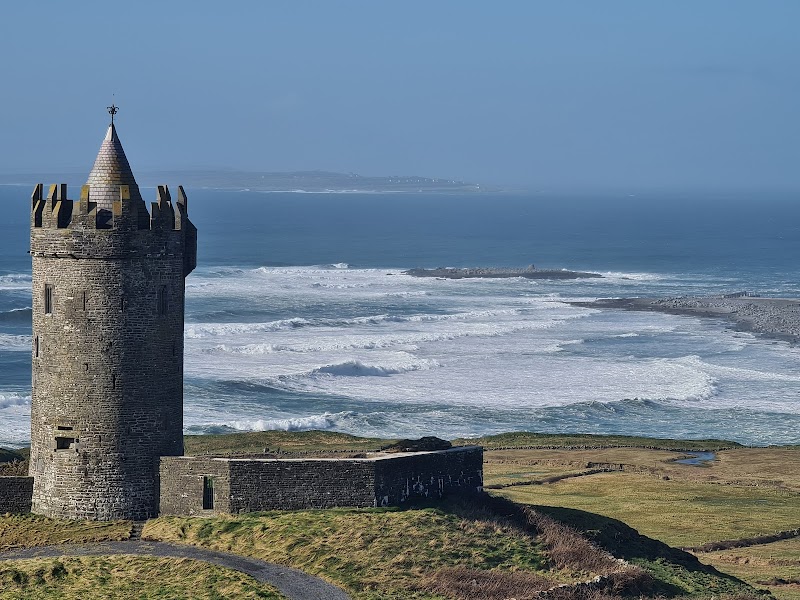
Viewpoint of Doonagore Castle
Small circular Doonagore Castle sits on a grassy headland above the Atlantic with sweeping views to the Cliffs of Moher and Aran Islands — excellent for dramatic coastal compositions, silhouettes and wide vistas. Best at sunrise or sunset for warm side-light and long shadows; winter storms add mood. Accessible via a short roadside walk from limited parking (watch for narrow lanes and grazing sheep). The castle is on private land—photograph from public verge and respect signage. Expect uneven, sl
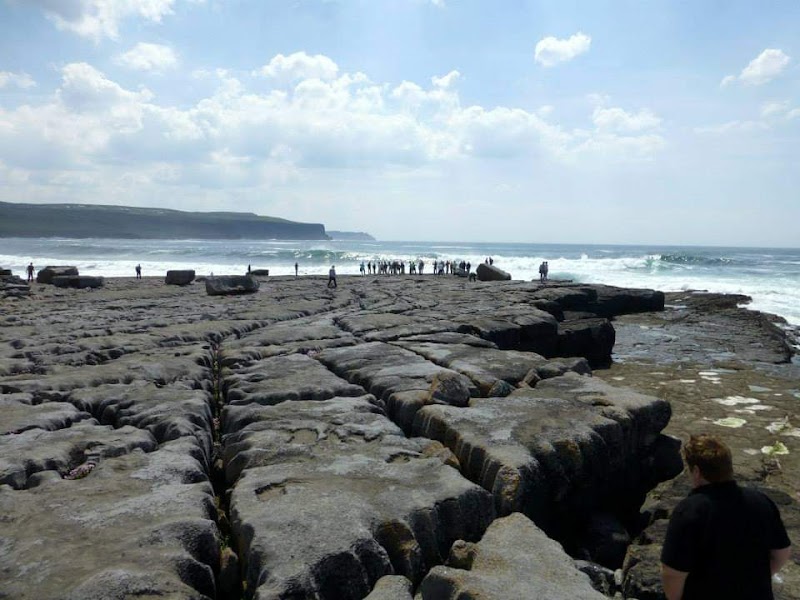
Doolin pier
Doolin Pier offers dramatic Atlantic seascapes, fishing boats, and views toward the Aran Islands and Cliffs of Moher. Best at sunrise or sunset for warm side lighting and cloud drama; stormy skies add mood. Small roadside parking and a short walk; pier can be wet and windy—bring waterproofs. Ferries to the Aran Islands operate nearby (check schedules). Weekday mornings are least crowded. No entry fee.
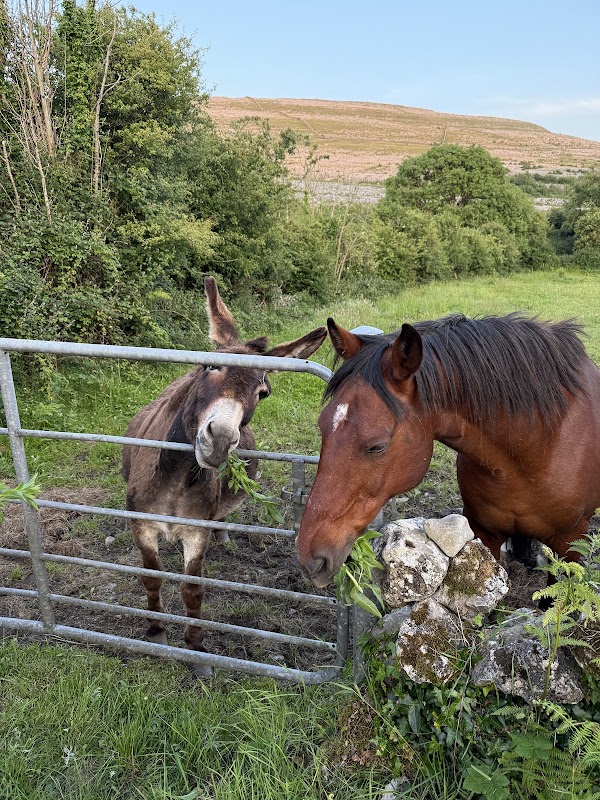
Donkey and Horse
Coastal limestone/rock formations nicknamed “Donkey and Horse” on County Clare’s rugged Wild Atlantic Way — shoot dramatic silhouettes, textured karst foregrounds, and Atlantic surf. Best at golden hour and blue hour for warm side light and long-exposure seascapes; low tide reveals more foreground detail. Remote location: narrow country roads, limited roadside parking, wear sturdy boots; no entry fee. Quiet and uncrowded outside peak summer, part of Clare’s geological coastscape.