36 carefully curated photography spots with GPS coordinates, shooting tips, and local insights
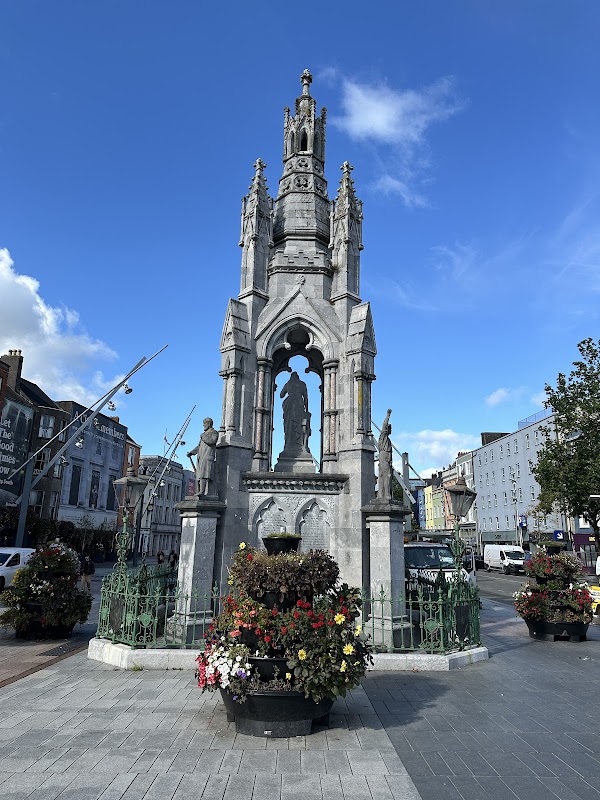
The National Monument on Grand Parade is a compact neoclassical memorial set against Cork’s urban streetscape — strong lines, columns and sculptural details framed by historic buildings and passing trams. Easy city-centre access, short walks from parking and trains. Best at golden hour or after dusk for mixed warm/artificial light. Weekday mornings are quieter; wheelchair accessible at street level. No entry fee — street photography etiquette advised as it’s a civic space.
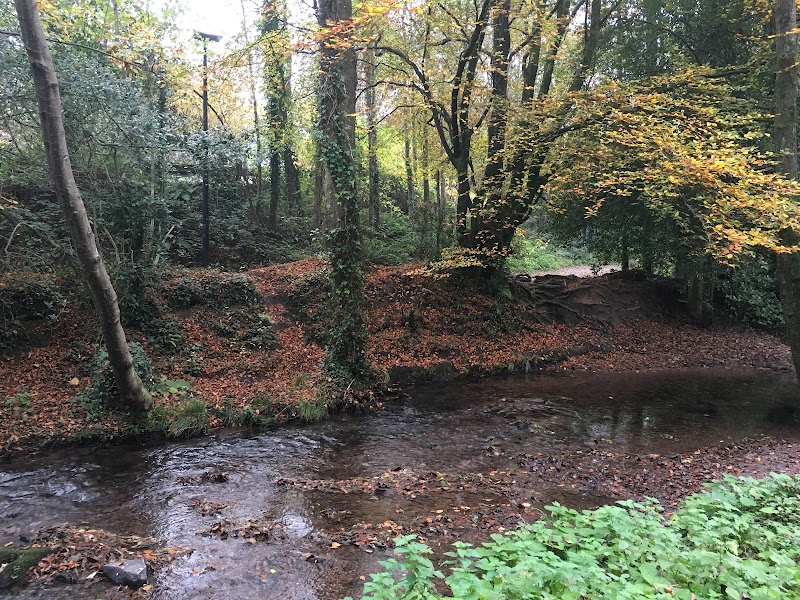
Small coastal woodland with winding trails, mossy trunks, streamlets and views toward the coast. Excellent for intimate forest compositions, textures (lichen, fungi), long exposures of trickling water and seasonal color in autumn. Best at golden hour or after light rain for saturated greens and mist; weekday mornings are quiet. Trails are informal—bring waterproof boots; parking is roadside at Ardarrig. No formal entry fee; respect local conservation and keep to paths.
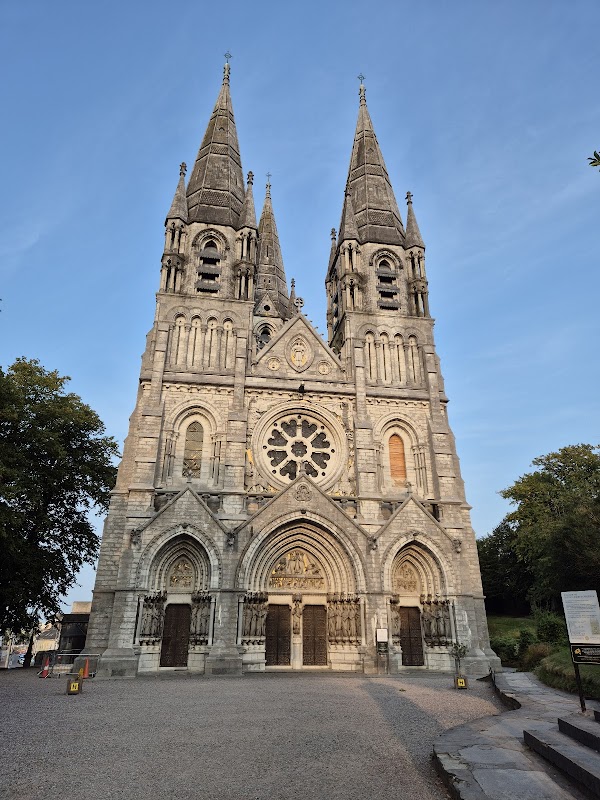
Victorian Gothic Revival cathedral with soaring spires, ornate stone carvings and jewel-like stained glass — ideal for architectural detail, interior light and dramatic exterior silhouettes. Best at golden hour or blue hour when spires cut crisp against the sky; weekday mornings avoid crowds. Small car parks and street parking on Bishop St; check cathedral opening hours (services may restrict access). Respect worshippers and signage; modest dress and quiet inside.
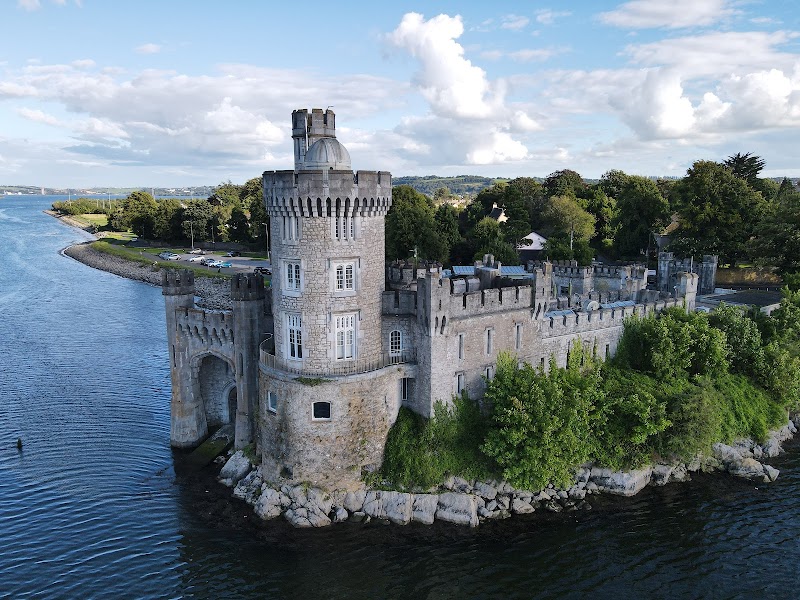
Blackrock Castle Observatory: a dramatic 16th‑century coastal turret where stone battlements meet Cork Harbour — great for architectural detail, textured stone, coastal panoramas and night-sky work. Visit at golden hour or after sunset; accessible via Castle Rd with limited on‑site parking and paid entry for exhibits. Weekdays and early mornings avoid crowds. Check opening times for inside access and local tide/weather for sea reflections.
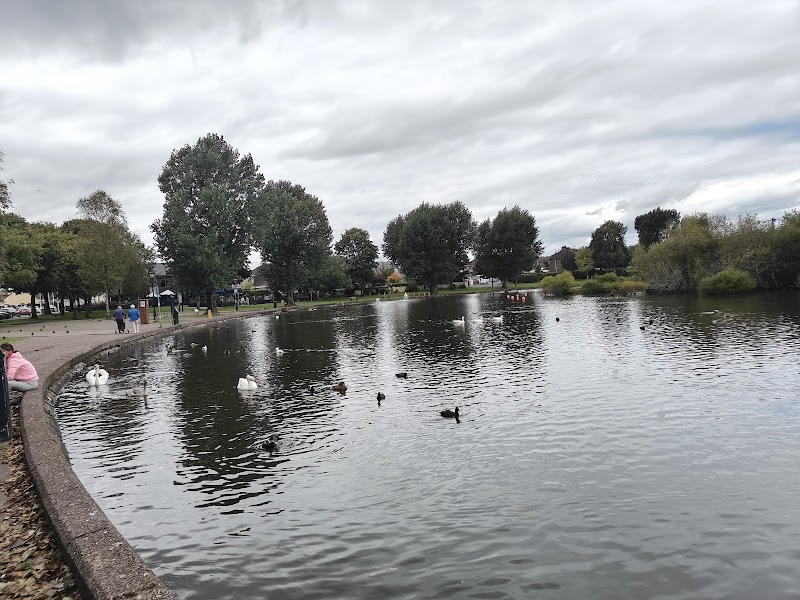
A peaceful 1.1km loop around The Lough in Cork offering reflective water, reed beds, birdlife and tree-lined paths. Ideal for calm landscapes, reflections and local wildlife. Accessible year-round; best at sunrise/sunset for soft light. Street parking and nearby public transport; flat, stroller-friendly paths.
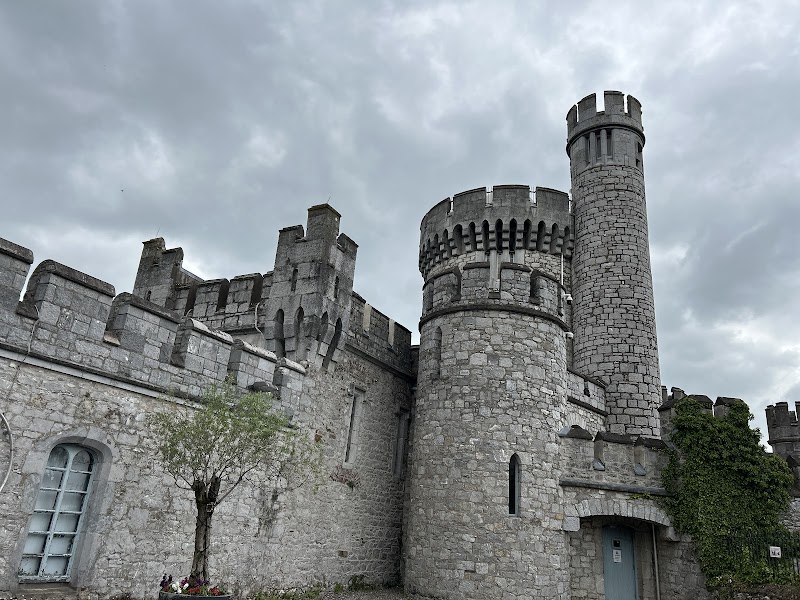
Blackrock Castle Observation: a small, turreted 16th‑century castle on the River Lee offering dramatic coastal/river foregrounds, reflections and historic stone textures. Best at golden hour or blue hour for warm light and long exposures. Easy roadside parking nearby; castle houses an observatory/museum with limited opening hours—check before visiting. Accessible paths along the riverbank provide varied vantage points; expect tourists on summer weekends.
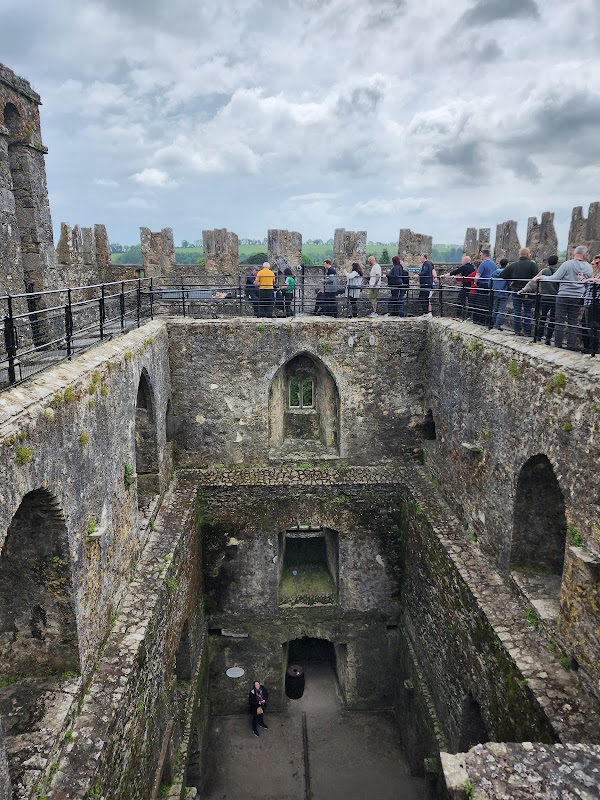
Photograph Blarney Castle, the famed Blarney Stone and surrounding formal gardens — dramatic stone architecture, ivy-clad battlements, ruined towers and manicured lawns offer varied compositions. Best light is early morning or late afternoon for warm side-light and fewer crowds; overcast days work well for even detail. Castle entry requires a ticket and involves narrow spiral stairs to reach the stone (limited accessibility). Onsite parking and a visitor centre are available; expect tours and a流
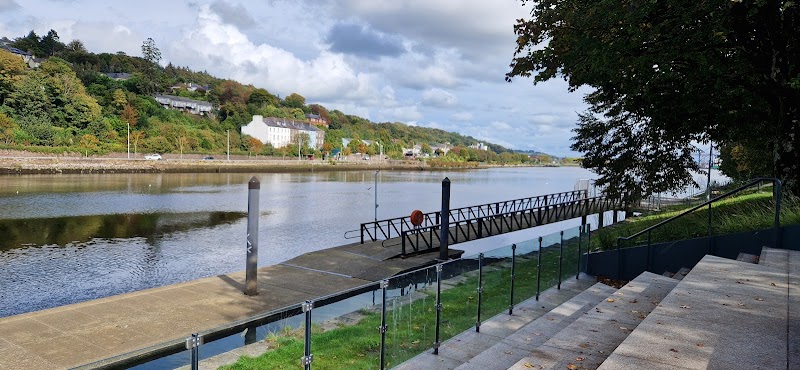
A flat, paved coastal trail with wide views across Cork Harbour, marina details, industrial piers and saltmarshes — great for waterfront panoramas, birdlife and golden-hour skies. Best at sunrise or sunset for warm light and reflections; low tide reveals mudflats and foreground interest. Easily accessible from Centre Park Rd with street parking and nearby public transport; no entry fee. Weekdays and early mornings are quieter. Expect changeable Irish weather and strong winds.
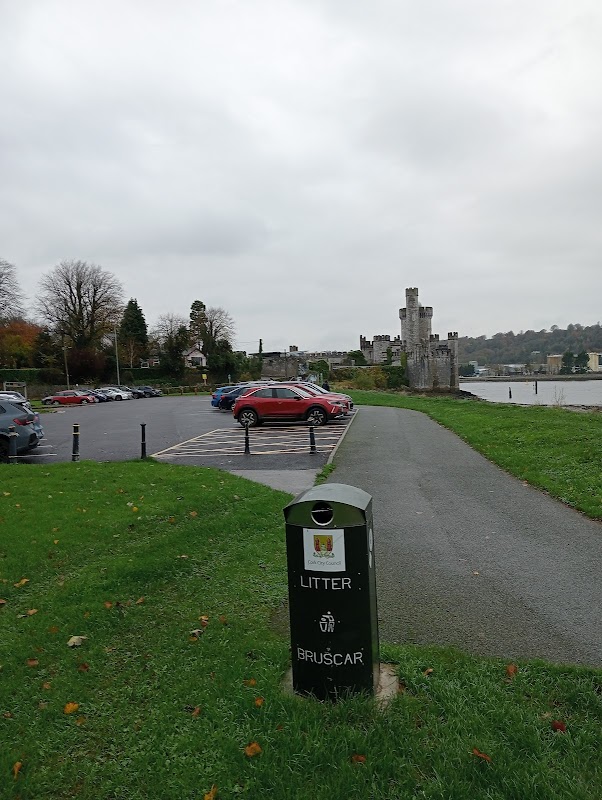
Photograph the dramatic stone turret of Blackrock Castle against Cork Harbour — strong silhouettes, tidal reflections and the curved Greenway path create dynamic compositions. Best at golden hour and blue hour for warm light and castle illumination; low tide enhances foreground textures. The Greenway is easily walkable with nearby street parking; castle exterior shots are free (science centre entry is paid). Weekday mornings are quieter. Respect local access and check weather; winds can be brisk
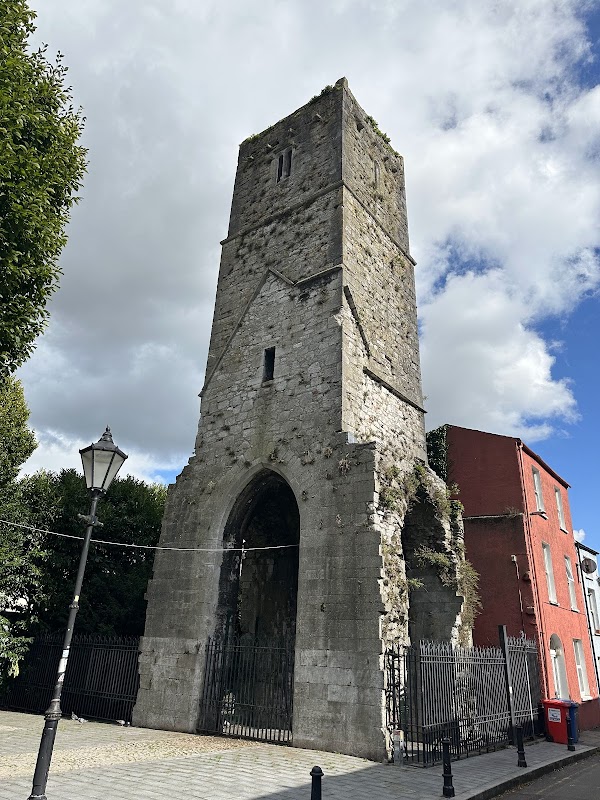
Medieval red sandstone tower remnants of the 14th‑century Carmelite Red Abbey—compact, textural subject against urban and river backdrops. Photograph stone texture, crenellations and framing through nearby trees or walls. Best at golden hour or blue hour for warm side light and contrast; weekday mornings and late afternoons have fewer pedestrians. Easily reached on foot from Cork city; street parking nearby. No formal entry—shoot from public paths; respect surrounding residences.
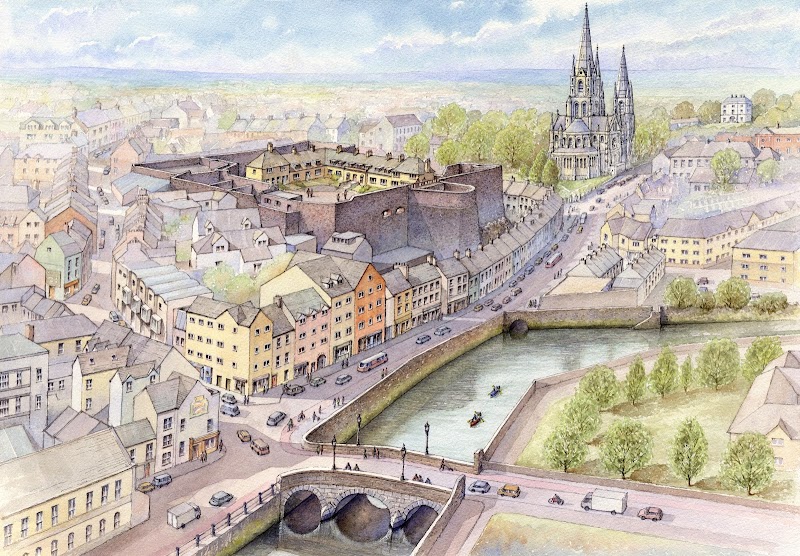
17th‑century star fort perched above Cork with thick ramparts, brickwork, cannon emplacements and sweeping views over the River Lee and city rooftops. Best at golden hour or sunset for warm light on stone and panoramas; clear nights for city lights. Access via Barrack St with limited on‑site facilities — check opening hours; expect steep ramps and steps. Weekdays and early mornings are quieter. The fort’s military history and textured masonry make it visually rich.
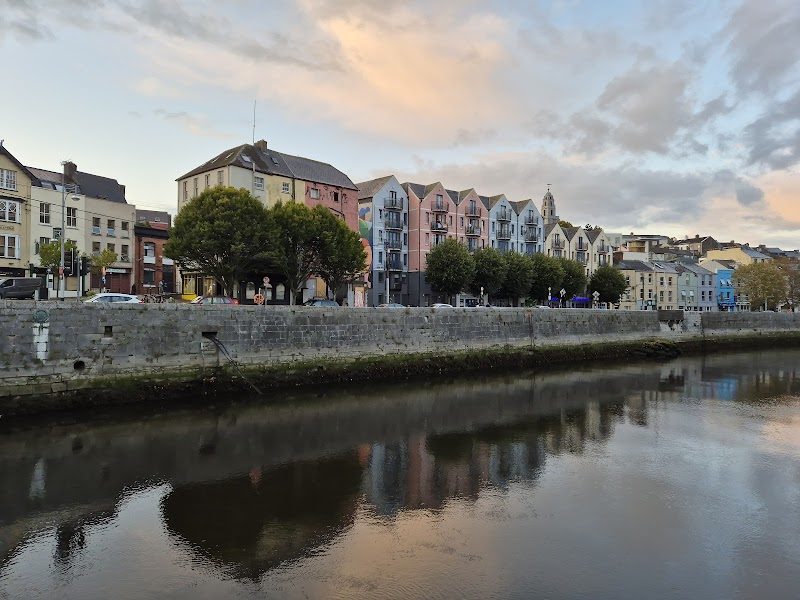
Rows of Georgian and Victorian mercantile buildings along Pope's Quay offer colorful facades, detailed cornices and strong river reflections — ideal for architectural and waterscape shots. Best at golden hour and blue hour when low sun and illuminated windows add depth. Accessible on foot from Shandon; quays are paved but some spots have steps to water level. Street parking is limited—use nearby public car parks or Cork city transit. Weekday mornings are quieter. No entry fees; respect private‑f
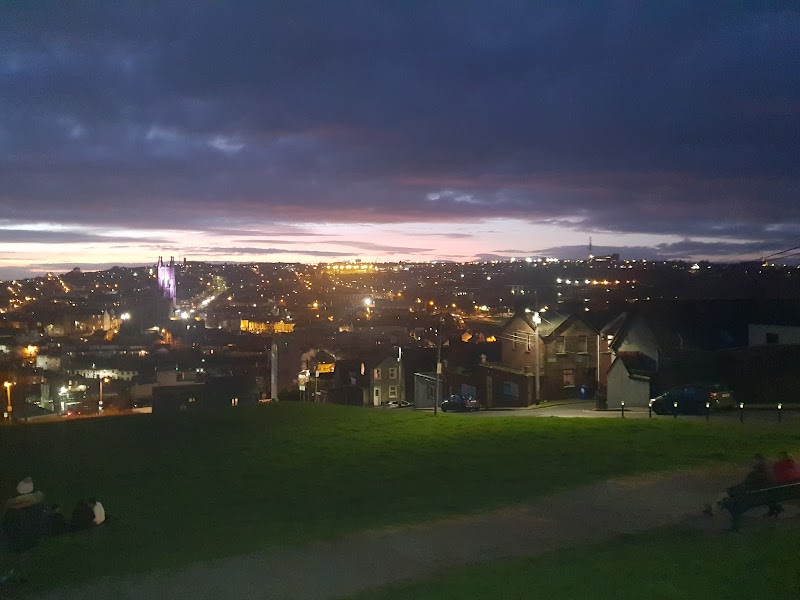
A short, steep urban hill offering sweeping panoramas over Cork city, the River Lee and landmarks like Shandon and the city center. Best at golden hour and blue hour for warm light and city lights; easily reached on foot from the city centre (short climb, cobbled steps). No entry fee; limited street parking nearby and good public transport access. Popular with locals so weekdays or early mornings avoid crowds. Weather can be changeable—watch wind for tripod safety.
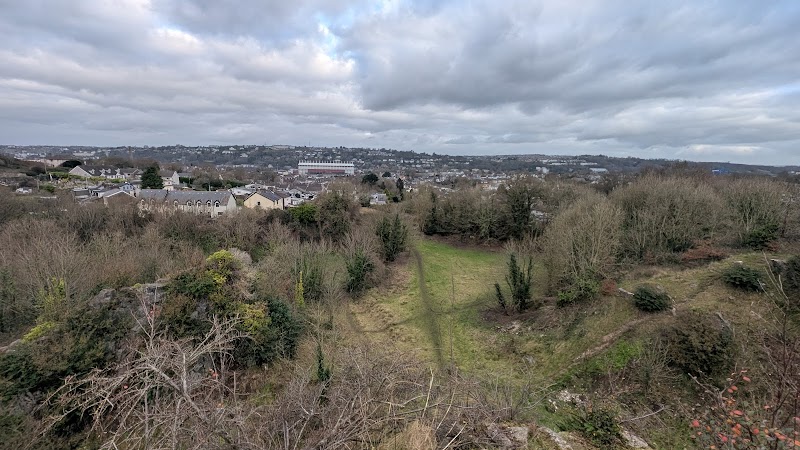
Beaumont Quarry offers dramatic exposed rock faces, layered stone textures and a small still pool framed by mature trees — great for moody landscape and nature shots. Visit at golden hour or blue hour for warm side-light on the cliffs and mirror-like reflections. Easily reached from Beaumont Park on foot; no entry fee. Paths and informal parking nearby; wear sturdy shoes and watch cliff edges. Weekday mornings are quieter; autumn brings rich colors.
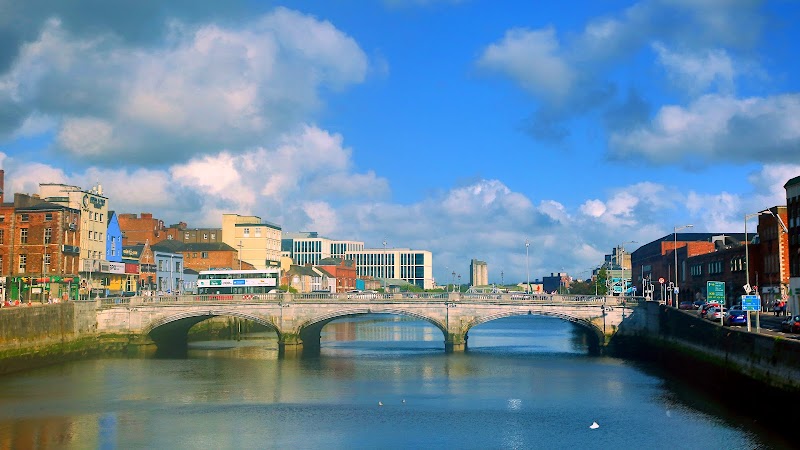
St Patrick's Bridge links Cork's main shopping streets across the River Lee — ideal for capturing urban reflections, converging lines of the bridge and quays, and city life framed against historic buildings. Visit at golden hour or blue hour for warm light and dramatic reflections; early weekday mornings reduce pedestrian traffic. Centrally accessible by foot, bus, or short walk from paid city car parks; no entry fee. Be mindful of local traffic and cyclists.
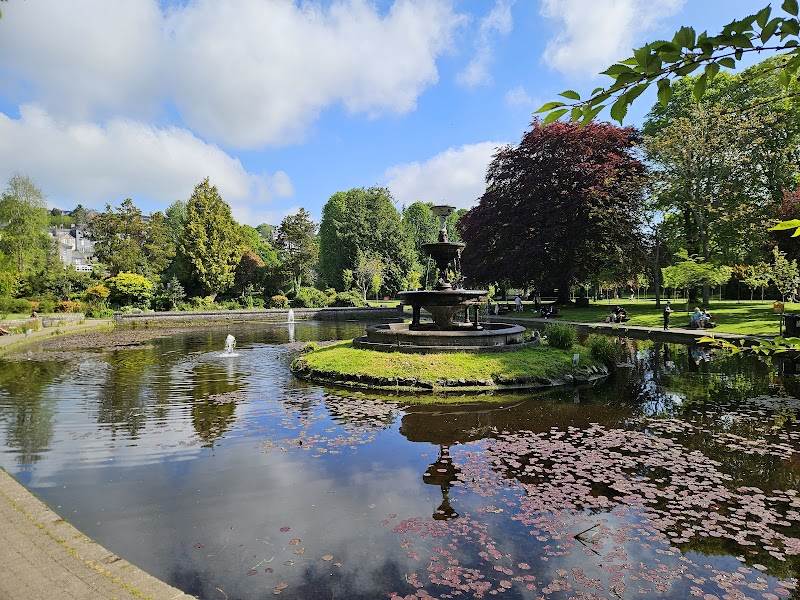
Compact city park on the River Lee with a Victorian bandstand, formal rose garden, tree-lined promenades and a small pond — great for seasonal color, intimate landscapes and architecture details. Best at golden hour or blue hour for warm light on the bandstand and reflected river tones; spring–summer for roses, autumn for foliage. Easy access from Cork city centre (Mardyke); free entry, paved paths good for tripods and wheelchair access. Street parking and paid car parks nearby; expect more foot
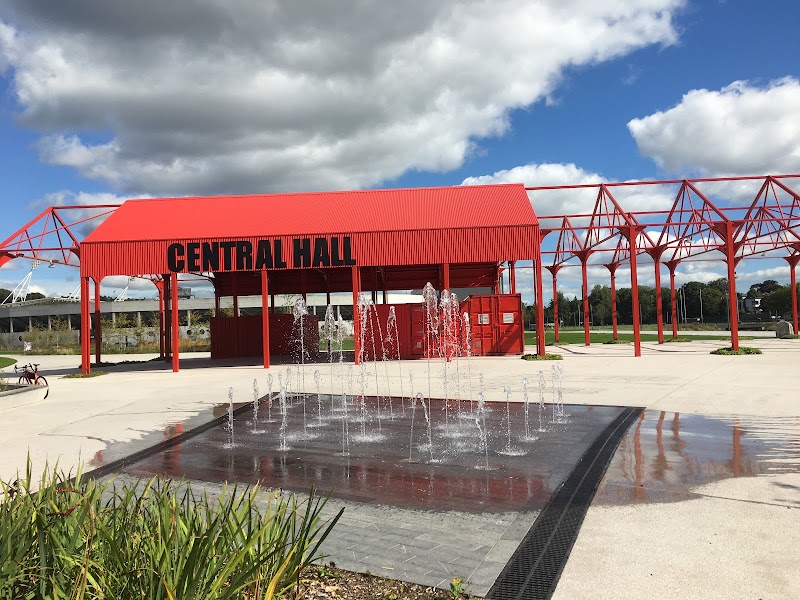
Riverside promenade framing the tidal River Lee, small craft, reflections and distant Cork city architecture. Ideal for golden-hour skies, moody winter light and long exposures of water. Flat, wheelchair-friendly paths; free entry. Street parking and Showgrounds car parks nearby. Weekday mornings and evenings have fewer walkers. Expect local joggers and occasional boating events.
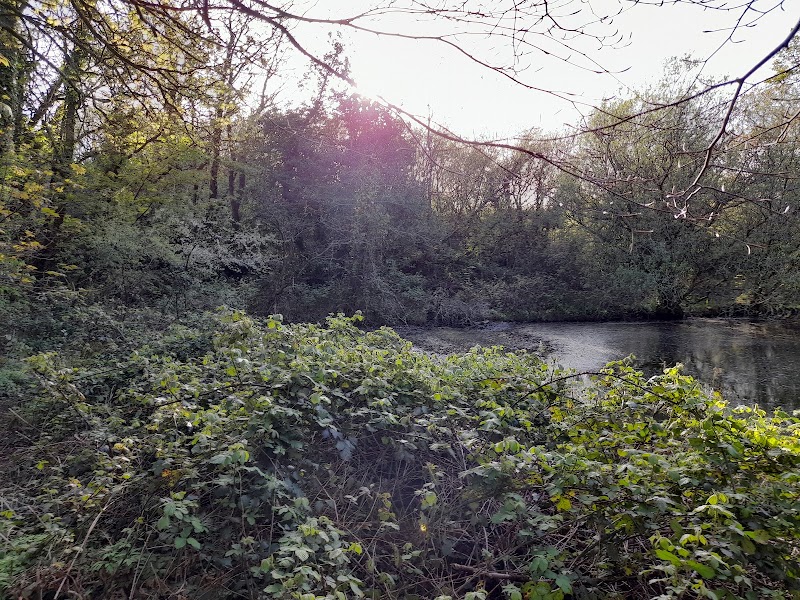
Shallow wetlands, reedbeds and shoreline paths offer intimate nature and birdlife scenes plus open water vistas at this Cork reserve. Best at sunrise/sunset for warm side-light and reflected skies; spring/autumn bring migrants. Trails are on foot; parking nearby but limited—wear waterproof boots and respect protected areas. Low light and tidal changes create dramatic compositions; quiet weekdays yield fewer people.
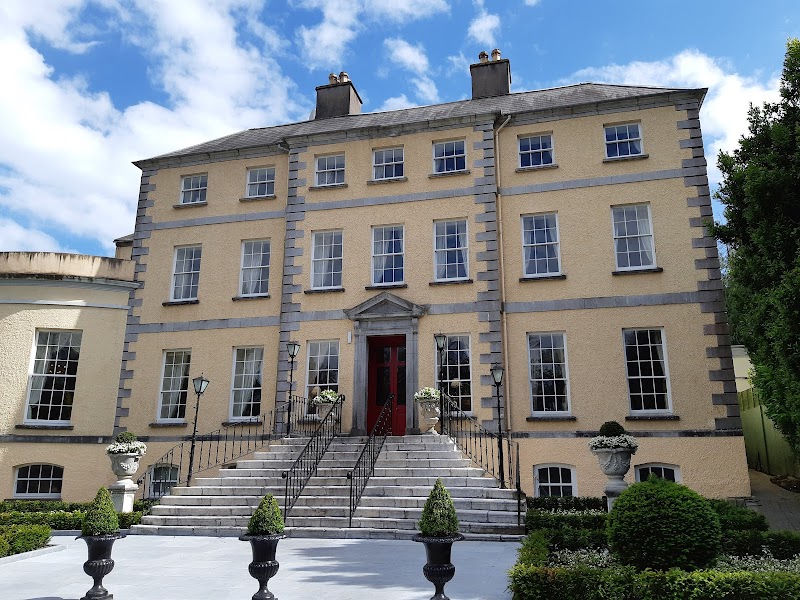
Maryborough House is an elegant Georgian country house set in manicured lawns and mature trees near Fermoy, Cork — ideal for architectural details, grand facade shots, and framed garden compositions. Best at golden hour for warm light on stone; early mornings or weekdays minimize hotel guests. Grounds are hotel property so ask at reception for permission to shoot; public parking is nearby. Seasonal colors (spring blooms, autumn foliage) add variety. Modest accessibility on paved paths; check for
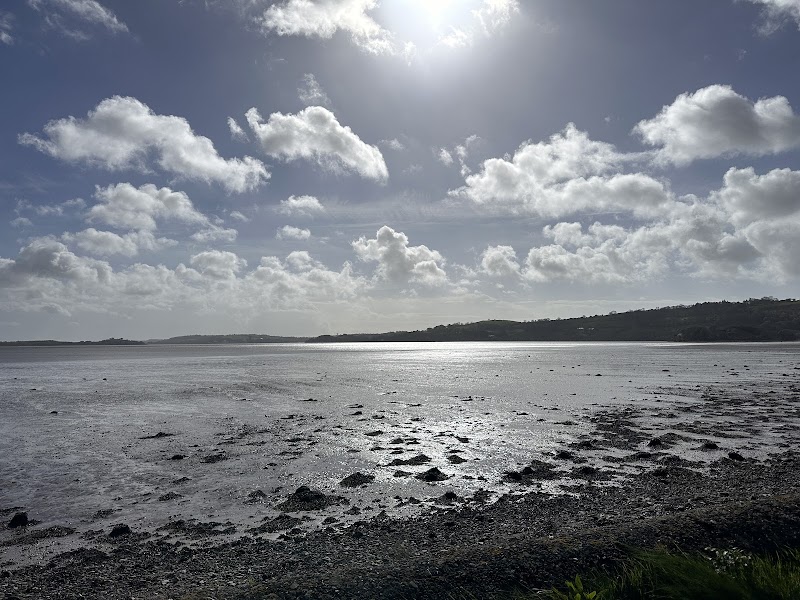
Small waterfront park on the Mahon Peninsula overlooking Lough Mahon with wide estuary views, reedbeds and walking paths. Ideal for golden-hour shorelines, reflections on calm water, and casual wildlife (waders, gulls). Easy access from Bessboro/Mahon roads with free public paths and nearby street parking; no entry fee. Visit at sunrise or sunset for warm side lighting and low-tide reflections; weekday mornings are quieter. Weather can be changeable—clouds add drama to seascapes.
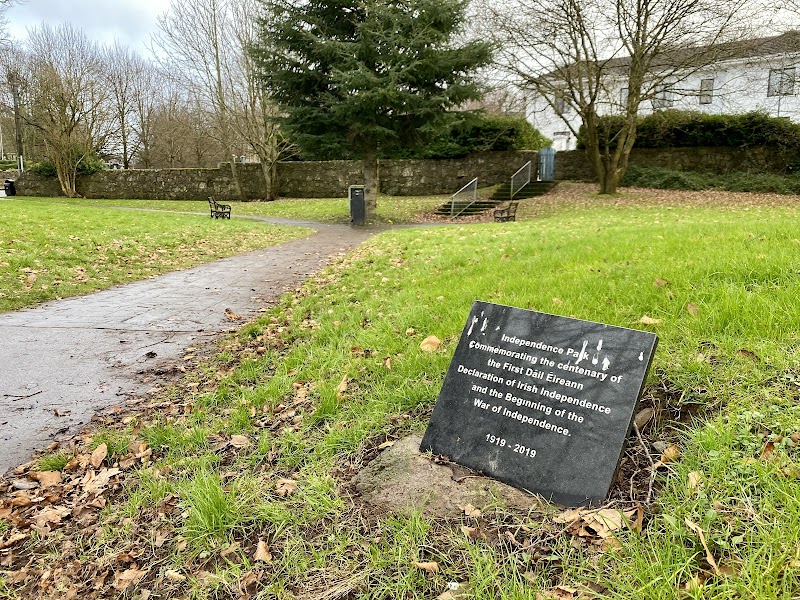
Small hilltop park commemorating Irish nationalism with memorials, mature trees and viewpoints over Douglas and Cork. Shoot monuments, plaque details, avenue-like paths and panorama at golden hour. Best at sunrise/sunset for warm side-light and city views; overcast for moody detail shots. Publicly accessible, no entry fee; limited street parking nearby and paved paths good for gear. Respect memorials during ceremonies (local commemorations occur).
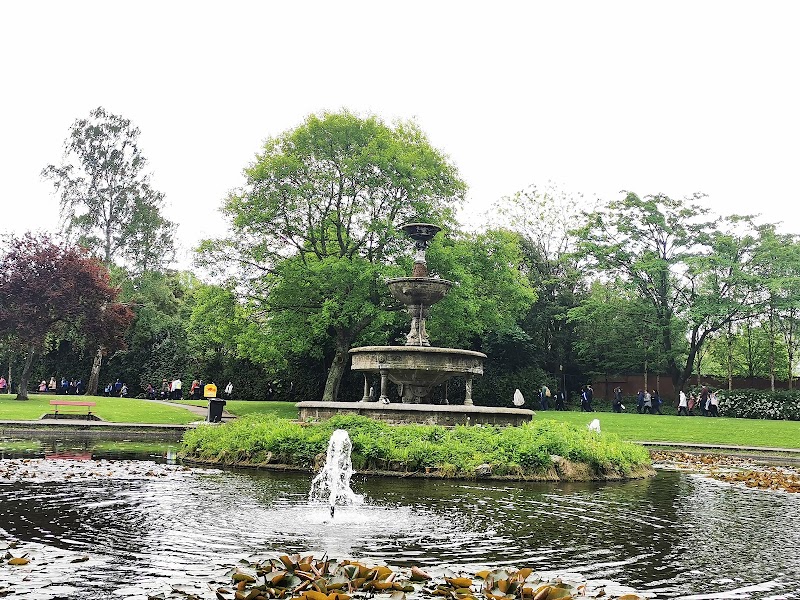
Victorian-era Father Mathew Memorial Fountain sits in Fitzgerald Park beside the River Lee and a tree-lined promenade. Photographers can capture ornate cast-iron details, water motion, park reflections and the nearby bandstand and riverbank scenes. Best at golden hour or blue hour when soft light and downstream reflections pop; evenings can reveal lit features. Easy access on paved paths, free park entry, short walk from central Cork and nearby street parking or public transit. Weekdays and off-
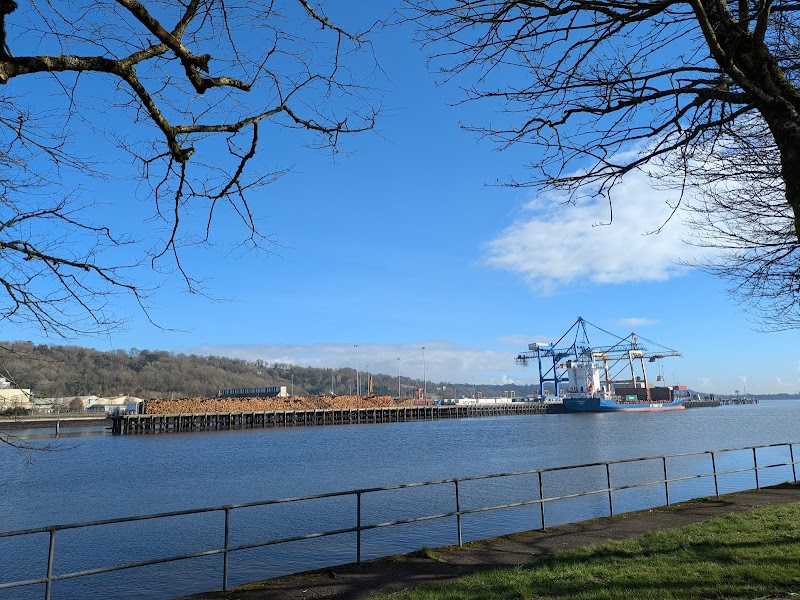
A tidy waterfront promenade with moored yachts, low piers and coastal views — ideal for reflections, boat portraits and long exposures at golden hour. Best at sunrise/sunset for warm light and calm water; check tide and calm wind forecasts. Accessible on foot or by car; limited free parking nearby. No entry fees. Weekday mornings are quieter. Typical Irish weather can be changeable — bring waterproofs and lens cloths.
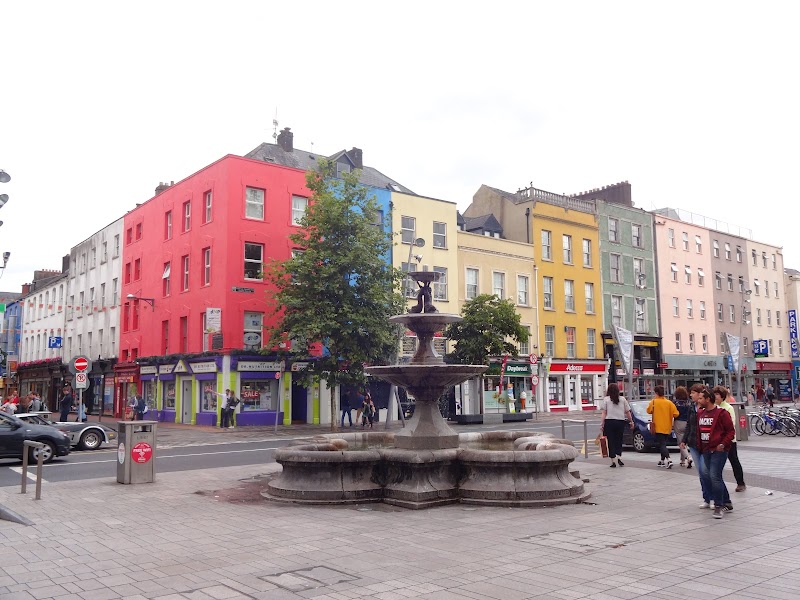
Victorian ornamental fountain on Grand Parade — a compact subject for architectural detail, street scenes and night reflections. Photograph ornate ironwork, water motion and its setting against Cork’s urban backdrop. Best at golden hour or blue hour when warm streetlights and wet pavements add mood; early weekdays avoid crowds. Easy pedestrian access in the city centre; on-street or nearby public parking and public transport. No entry fee; be mindful of pedestrians and local traffic.
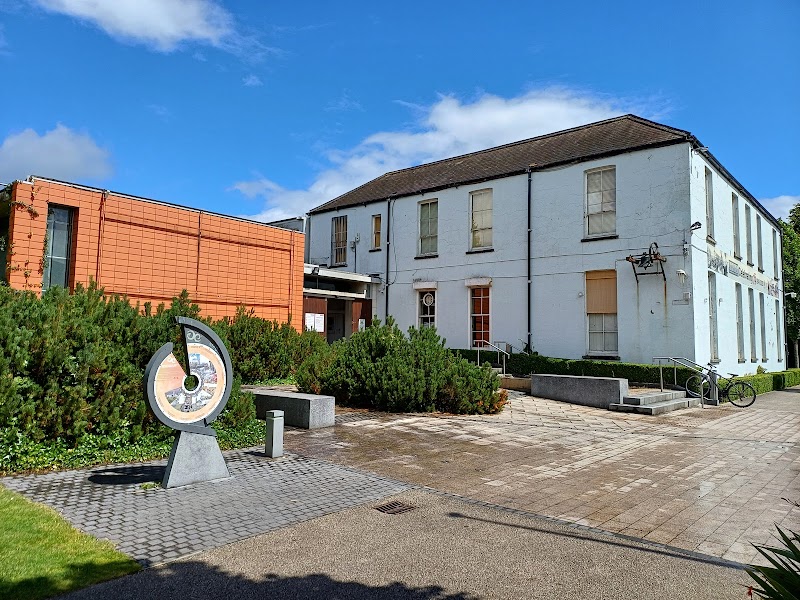
Victorian red-brick Cork Public Museum sits in leafy Fitzgerald Park beside the River Lee — great for architectural detail, period interiors and park landscapes. Visit in spring–summer for floral displays, early morning or golden hour for warm façade light and long shadows. Weekdays are quieter; check museum opening times and internal photography policy (admission often free). On-foot from the city centre; limited park parking and paved paths make it accessible.
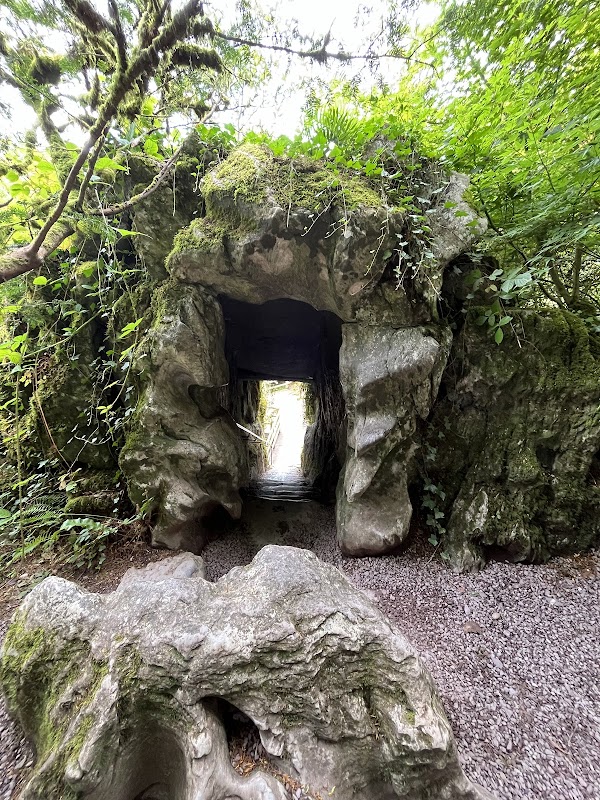
Rock Close is a small rural rock outcrop and countryside setting near Ballygrohan offering textured stone surfaces, hedgerows and open fields — good for intimate landscape and detail shots. Best at golden hour for warm side-lighting and after rain for saturated colors. Access is via narrow country lanes; parking is limited so use lay-bys or park at the lane entrance and walk. Respect private land and local signage. Weather is changeable — bring waterproofs and lens cloths.
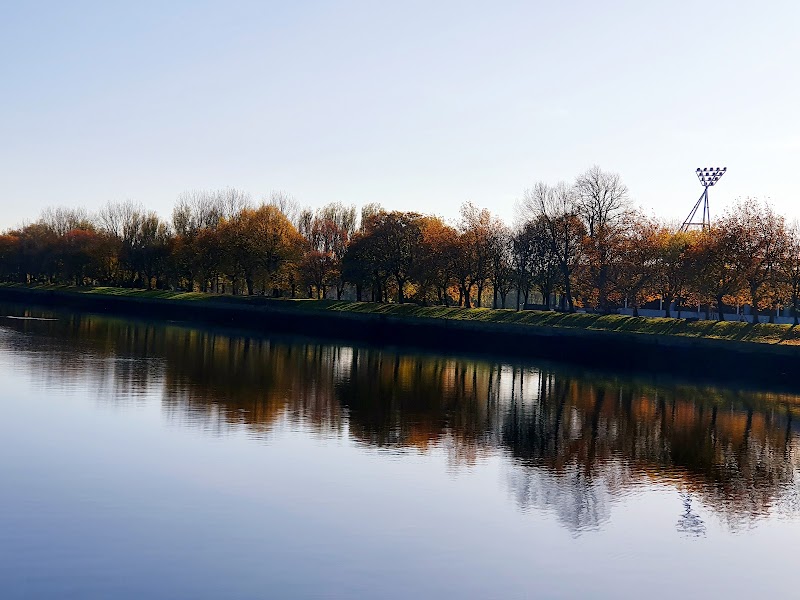
Small waterfront commemorative garden overlooking Cork Harbour with landscaped beds, maritime sculptures and walking paths. Photograph harbour panoramas, moored boats, seasonal plantings and sculptural details. Best at golden hour or blue hour for warm light on water; spring–summer for blooms. Easily accessible from Lower Glanmire Rd with limited on-street parking; flat paths good for tripods. No entry fee; expect locals and walkers—weekday mornings quieter.
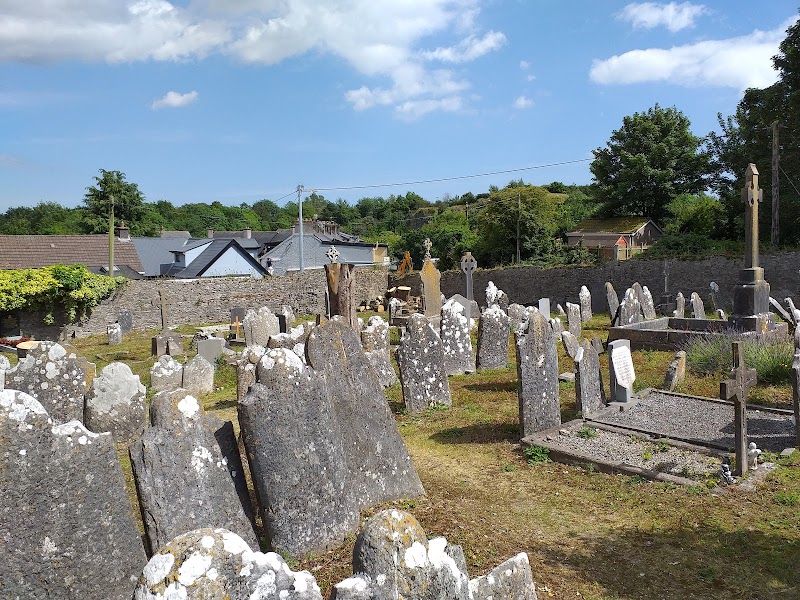
Small historic graveyard in Ballintemple with weathered headstones, moss and lichen textures, mature trees and low stone walls — great for intimate details, moody portraits and quiet landscape frames. Best visited at golden hour (sunrise or sunset) for warm side-light and long shadows; bright overcast days reveal surface texture without harsh contrast. Public, no fee; street parking nearby and short walk from Ballintemple village. Ground is uneven; be respectful of graves and local customs.
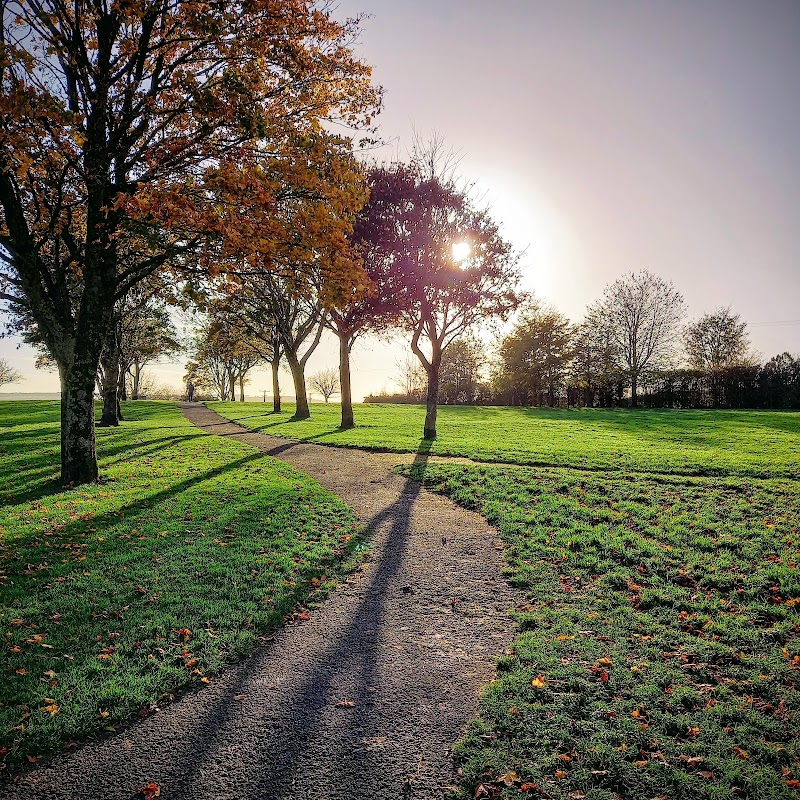
Small, leafy public park with mature trees, winding paths and open lawns — ideal for seasonal foliage, intimate landscape frames and environmental portraits. Best visited at golden hour or early weekday mornings for soft light and few people. Level paths are generally accessible; street parking nearby and no entry fee. Expect changing Irish weather — bring waterproofs and a polarizer for saturated greens.
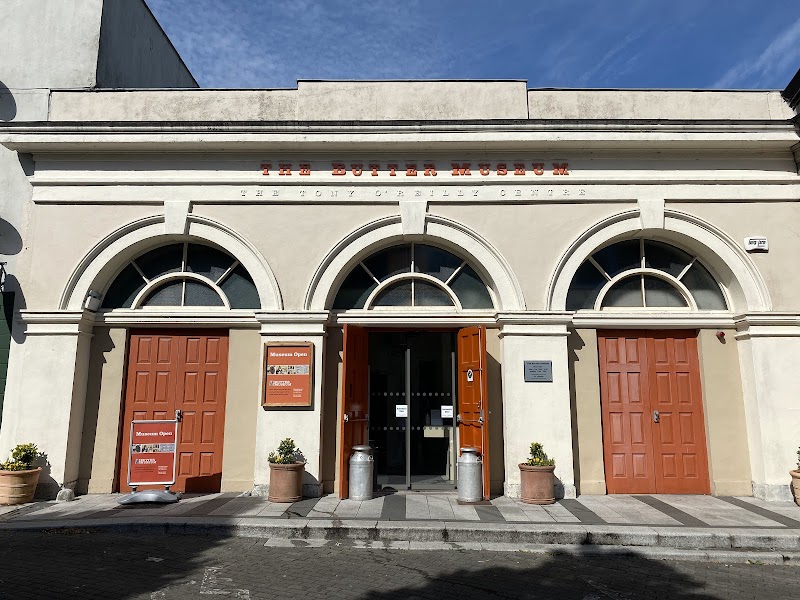
Compact, quirky museum in Shandon documenting Cork’s butter trade—rich textures of butter molds, period packaging, and ornate storefront displays. Photograph intimate interiors, period tools, and the museum façade facing O’Connell Square. Best light late morning–early afternoon for even interior illumination; visit weekdays for fewer visitors. Small site with narrow rooms; check opening times and entry fee in advance. Street parking limited—walk or use nearby public transport. Cultural note: a当地
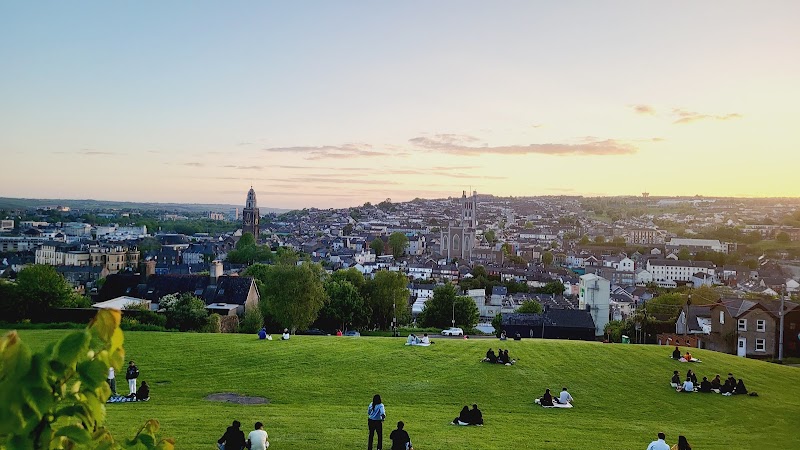
Bell's Field is a compact urban green in Cork along Old Youghal Rd offering open lawns, mature trees and sightlines toward surrounding residential architecture—good for environmental portraits, seasonal foliage and low-key landscape shots. Best light is golden hour and blue hour; weekday mornings are quieter. Easy to access on foot or by car with limited street parking; flat, wheelchair‑friendly paths. No entry fee. Works well after rain for saturated colors and reflections; respect local sports
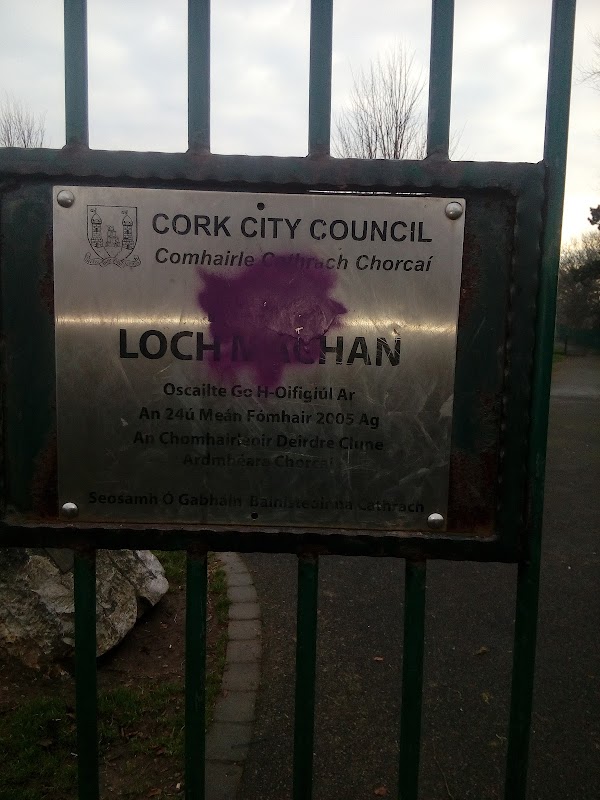
Small coastal community park with mixed lawns, mature trees, ponds and walking paths — good for intimate landscape, waterscape and seasonal leaf-color shots. Best at golden hour and blue hour for warm light and reflections; early weekday mornings avoid dog walkers. Easy street parking nearby and level paths make it accessible; no entry fee. Spring blossoms and autumn tones are most photogenic.
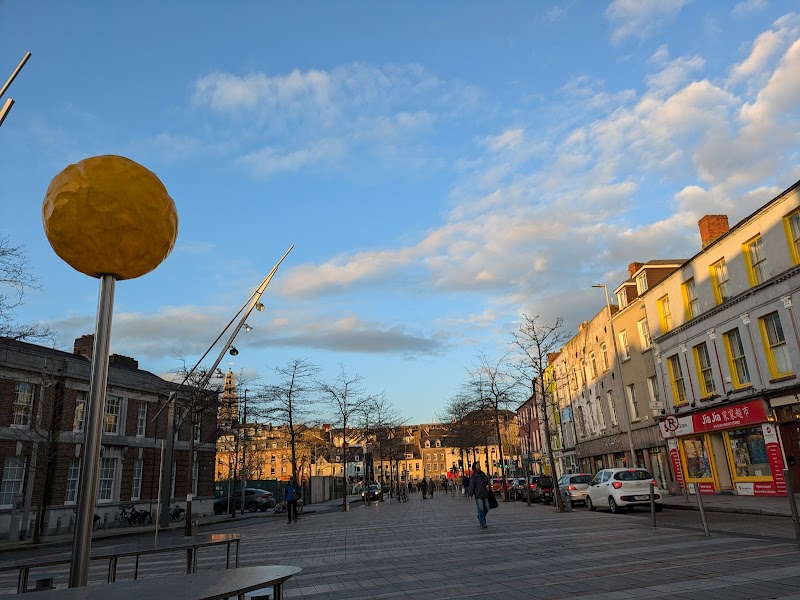
Cornmarket Street is a lively pedestrian shopping strip in central Cork with colorful shopfronts, street furniture, and frequent street performers — ideal for documentary street and urban detail shots. Visit early weekday mornings for uncluttered compositions or at golden/blue hour for warm light and illuminated shop windows. Fully accessible on foot; paid public car parks and bus stops nearby. No entry fee; expect crowds at weekends and during market events.
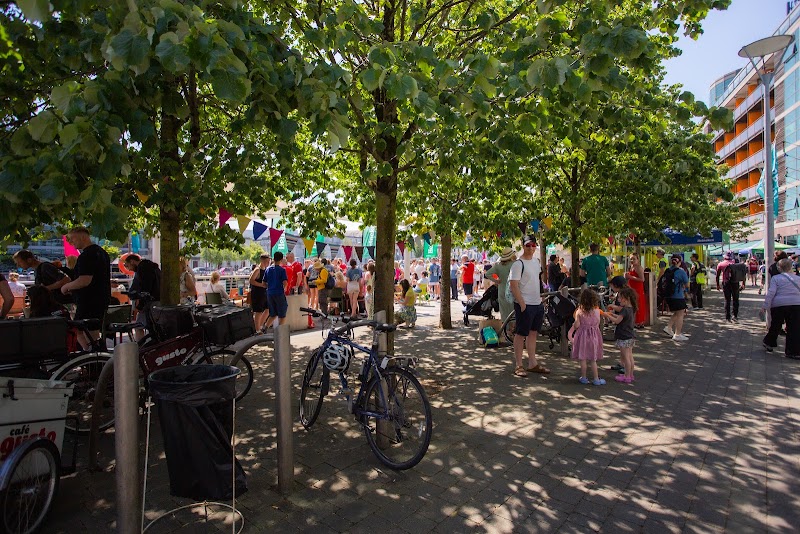
Lapps Quay is a pedestrian riverfront stretch on the River Lee lined with historic brick buildings, colorful facades, moored boats and views of nearby bridges. Photograph reflections on calm water, architecture details, and dynamic street scenes with cafes and pubs. Best at golden hour and blue hour for warm light and illuminated facades; early weekday mornings reduce crowds. Accessible on foot; no entry fee. Limited on-street parking—use nearby pay car parks or public transport (Cork city). Wet
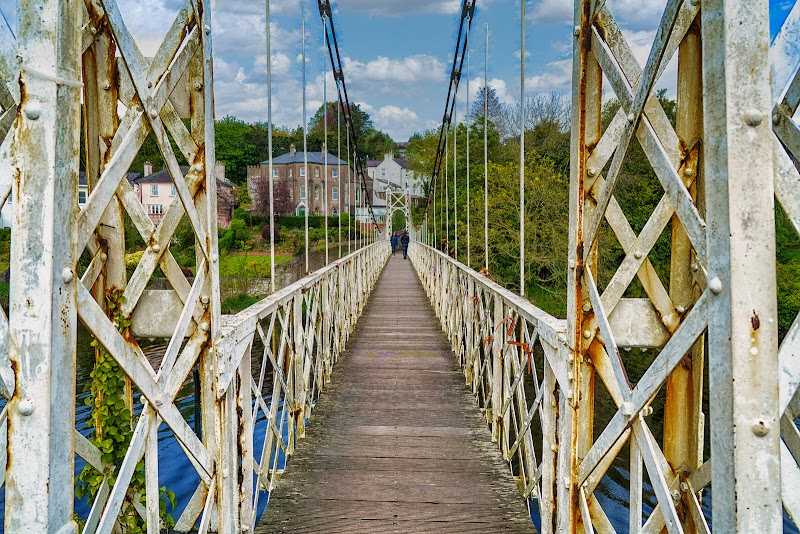
A compact pedestrian suspension bridge over the River Lee, Daly's Bridge (the 'Shakey Bridge') offers strong symmetry, leading lines and smooth water reflections—excellent for intimate architectural and waterscape shots. Visit at golden hour or blue hour for warm side-lighting and illuminated railings; weekday mornings are quieter. The bridge is freely accessible with level approaches from Mardyke paths; limited street parking and public transport nearby. No entry fee; respect local foot traffic
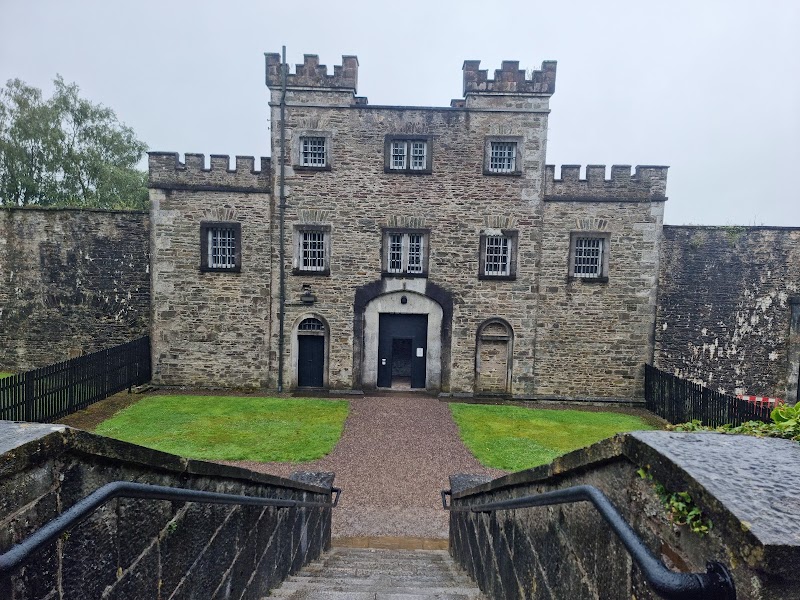
A dramatic Gothic-Victorian former prison with crenellated walls, radial cell wings, iron staircases and atmospheric cell displays — ideal for architectural detail, moody interiors and historical portraiture. Visit late afternoon/Golden Hour for warm stone textures, or blue hour when exterior lamps and interior displays glow. The site is a ticketed museum with guided tours; expect narrow staircases and some low-light interiors. Weekdays and early openings are quieter. Limited on-site parking; a